

Study Three Cycles, Nine Periods and Flying Star Feng Shui Guide through an English digital resource with curriculum notes, original material previews, FAQs.
Course Overview
This English digital resource presents the available material as a structured learning path. It preserves verifiable curriculum details and visual references while adding clear navigation, study guidance and definitions for international learners.
What You Will Study
- Core concepts and terminology associated with this subject
- A practical sequence for reviewing the supplied lessons or reference material
- Examples, diagrams or case notes included in the source curriculum
- Responsible interpretation without guaranteed outcomes
Curriculum and Source Notes
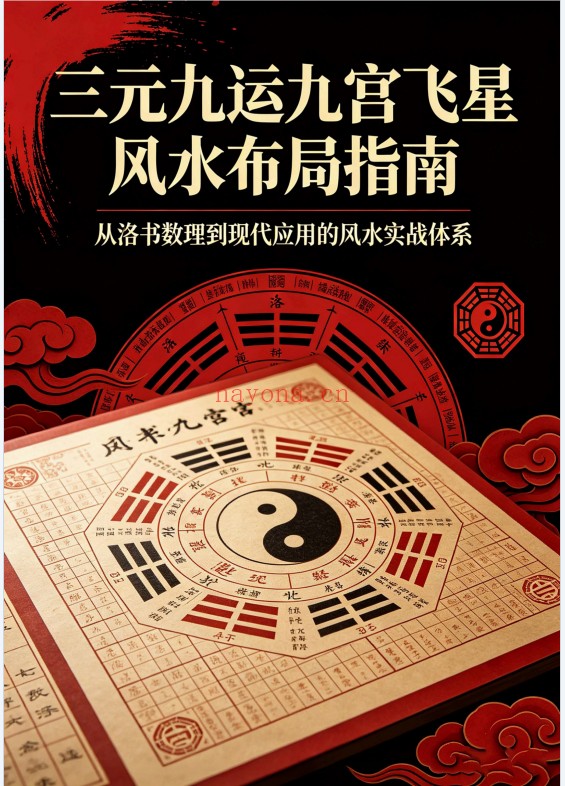
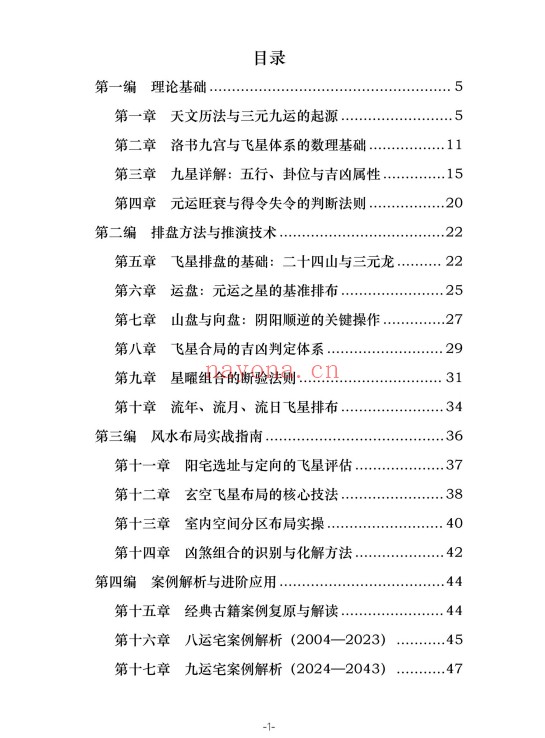
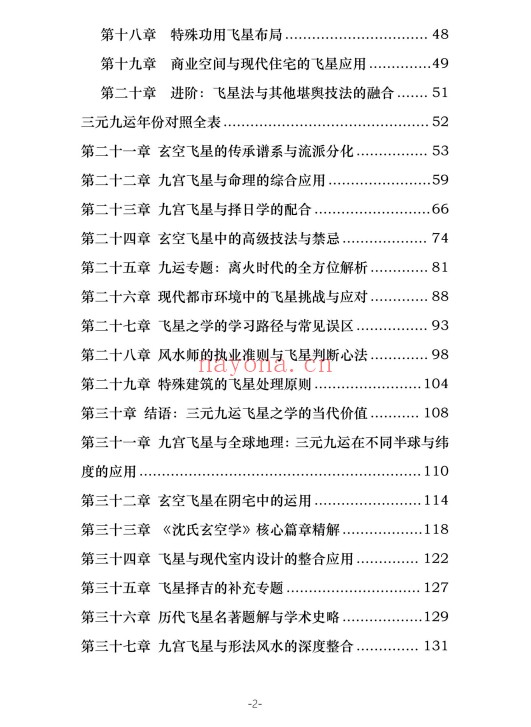
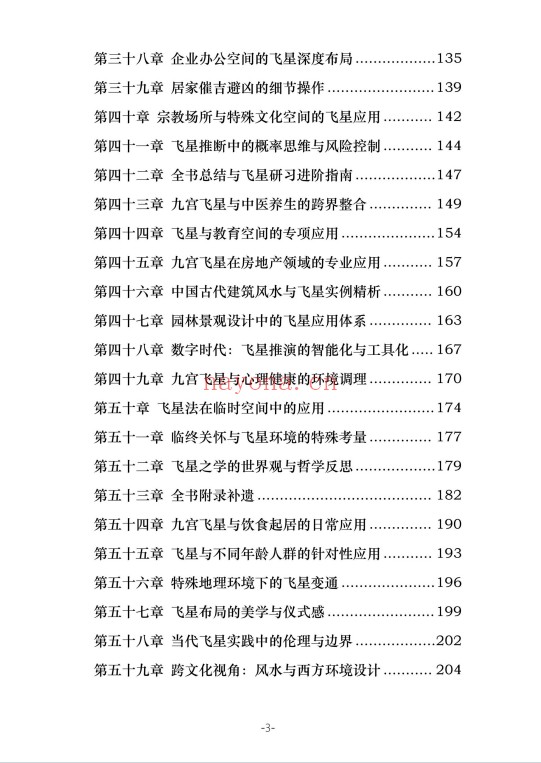
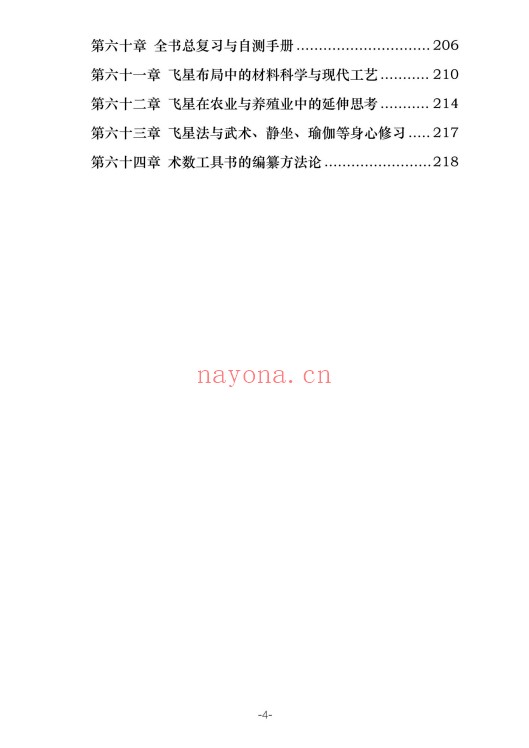
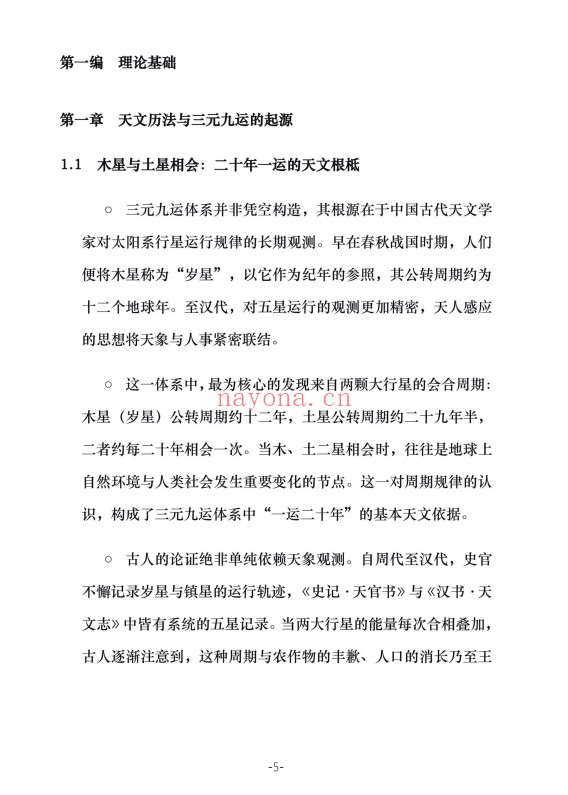
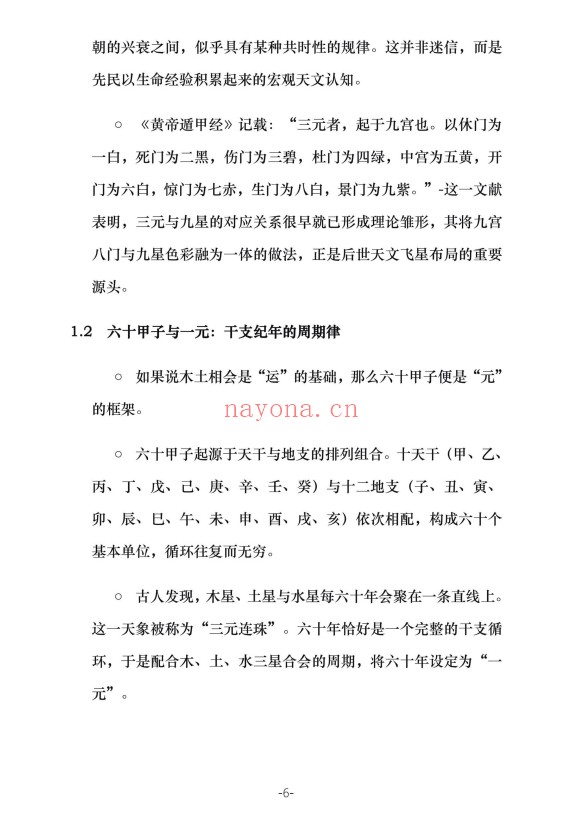
This 229-page study guide introduces the Three Cycles and Nine Periods framework, the Nine Palaces, annual and period stars, and practical Flying Star layout analysis.
Course Material Preview
The following original reference images show the supplied course material and its organization.

Recommended Study Method
Begin with the definitions and framework, continue through the lessons in order, and keep written notes for unfamiliar terms. Compare examples with the stated method instead of relying on isolated keywords or unsupported conclusions.
Digital Product Details
- Virtual and downloadable educational product
- No physical shipment
- Course access or download details are supplied after purchase
- Suitable for personal study and reference
Important Context
This material is offered for education, cultural study and personal reflection. It does not guarantee predictions, health outcomes, financial results or other specific outcomes, and it does not replace qualified medical, legal, psychological or financial advice.
Frequently Asked Questions
Is this a physical product?
No. This is a virtual downloadable course or study resource.
Is previous experience required?
The overview identifies the intended level. Beginners should start with terminology and foundational modules before moving to advanced examples.
Are results guaranteed?
No. The material is educational and should be interpreted responsibly.
Is consultation included?
No, unless the product description explicitly states otherwise.
Continue Your Learning
Explore related courses and reports from this specialist library:
- Chongyang Yang Gong Feng Shui Four-Classics Bundle: 90 Videos
- Meihua Wubankai Golden Lock Jade Pass Professional Training: 90 Videos
- Zhao Wanyou Residential Feng Shui Case Analysis: 82 Videos
- Teacher Zhulin Feng Shui Luopan Course: 24 Videos
- Zhang Zhengxi Xuan Kong Feng Shui Course: 75 Videos
- Si Yu Eight Mansions Feng Shui Case Course: 275 Videos
- Ni Ke Office Furniture Feng Shui Course: 52 Videos
- Teacher Gao Home Environment Feng Shui Course: 100 Videos
Understanding the Guide’s Three Time Scales
The title joins three related ideas: the Three Cycles, the Nine Periods, and Flying Star interpretation. They belong to a traditional Xuan Kong framework for organizing time and space. The 229-page guide also discusses the Nine Palaces, period stars, annual stars, and layout examples. A useful first goal is to understand what each label describes. A period is part of the framework’s longer time sequence; an annual star belongs to a shorter recurring sequence; a palace identifies a position within a nine-part spatial diagram. Keeping time labels separate from spatial positions makes the later examples easier to read.
The source description refers to Luoshu number patterns, calendrical ideas, Five Elements associations, and methods for plotting stars. Read these as parts of a traditional interpretive system. The language of a star “flying” describes a rule for placing numbers in a diagram; it does not require imagining a visible object moving around a room. Similarly, a diagram’s favorable or unfavorable label expresses a judgment within the method, not an established forecast for the people who occupy a space.
Begin With a Blank Nine-Palace Grid
Before studying a furnished room or a case example, draw a blank grid of nine cells. Mark its center and the directions used by the example. Then copy the numbers or names from one worked layout, noting which belong to the period under discussion and which belong to the annual layer. If the guide adds further information, use a new color or a separate sketch. A clean sequence of diagrams often clarifies more than a single crowded page of notes.
Orientation deserves special care. A layout calculation depends on the sitting and facing direction selected for the building or case. If the material does not make that choice clear, record the ambiguity rather than inventing a precise direction. The point of the exercise is to follow the guide’s reasoning accurately, including its assumptions.
A Study Sequence for the 229-Page Resource
- Make a glossary for Three Cycles, Nine Periods, Nine Palaces, period star, annual star, sitting, and facing.
- Study the Luoshu-based arrangement as a numbering convention before reading interpretations attached to the numbers.
- Trace one plotting example from its stated period and orientation through to the completed grid.
- Return to the same example and distinguish the base layout from any annual overlay.
- Read a residential or office case and identify what is observed, what is calculated, and what is interpreted.
- Review the case’s practical suggestions in light of the actual space, its users, and ordinary safety and usability.
This order gives each layer a purpose. It also makes errors easier to locate. If a later interpretation seems puzzling, check whether the grid was oriented correctly, whether two time layers were mixed, or whether a directional label was read from a different reference point.
Working With Examples and Page Previews
The original material includes page previews. Use them to understand the guide’s organization and visual vocabulary. A compressed preview may be difficult to read in detail, so avoid drawing a firm conclusion from an unclear symbol or tiny caption. In a case discussion, look for the stated starting conditions and the actual calculation steps. A compelling story about a home or business is less useful for learning than a clearly explained sequence you can check.
The source description mentions residential settings, offices, and other modern spaces, alongside traditional responses to unfavorable configurations. Those are applications discussed by the source, not evidence that rearranging objects will change income, health, or personal fortune. If a proposed change would obstruct a passage, create a maintenance problem, or interfere with how a room is used, those tangible effects matter more than a symbolic label.
How the Concepts Relate
The Three Cycles and Nine Periods give the guide its broad temporal structure. Nine Palaces provide a way to divide a plan into directional positions. Flying Star rules then assign and interpret numerical patterns within that structure. Five Elements language may be used to describe relationships among those patterns. These layers answer different questions, so it helps to ask of any sentence in the guide: Is it naming a time frame, locating a palace, performing a calculation, or offering an interpretation?
That question is particularly useful when an example discusses a newer period alongside an older building. The guide may distinguish the period used for a base chart from a current annual pattern. Do not assume they are the same merely because both appear on the page. Copy the guide’s stated inputs and follow its own sequence before comparing examples.
Who May Find the Guide Useful
This resource may appeal to someone who prefers a book-length reference for Xuan Kong and Flying Star terminology. It may also suit a learner who has seen isolated nine-grid diagrams and wants to understand the steps that precede an interpretation. Beginners can use the definitions and one worked example as a starting point; more experienced readers may focus on how the guide handles multiple time layers and different spatial settings. Patience with diagrams and repeated calculations will be more useful than memorizing a list of labels.
Questions About Three Cycles and Flying Stars
Are the Nine Periods the same as the Nine Palaces?
No. Periods organize time within this traditional framework. Palaces are positions in a nine-part spatial arrangement. The same numeral can appear in both discussions, so label your notes clearly.
What is the difference between a period star and an annual star?
They refer to different time layers in the method. The guide discusses both, and a worked layout should state how each layer is placed. Study them separately before reading a combined interpretation.
Can I plot a chart without knowing a building’s orientation?
A complete example may require a stated sitting and facing direction. Without it, you can still learn the vocabulary and practice with a clearly documented example, but you should not present a guessed chart as precise.
Does the guide establish that Flying Star layouts alter real-world outcomes?
No. It presents a traditional way of classifying and discussing layouts. Its examples can support cultural study and personal reflection, but they do not guarantee an effect on health, money, relationships, or work.
How should I handle suggestions about an office or home?
First identify which part is a traditional interpretation and which part is an ordinary physical change. Consider the space’s actual use, comfort, access, and safety before making changes. Where a decision has significant practical consequences, seek the appropriate qualified advice.


Reviews
There are no reviews yet.