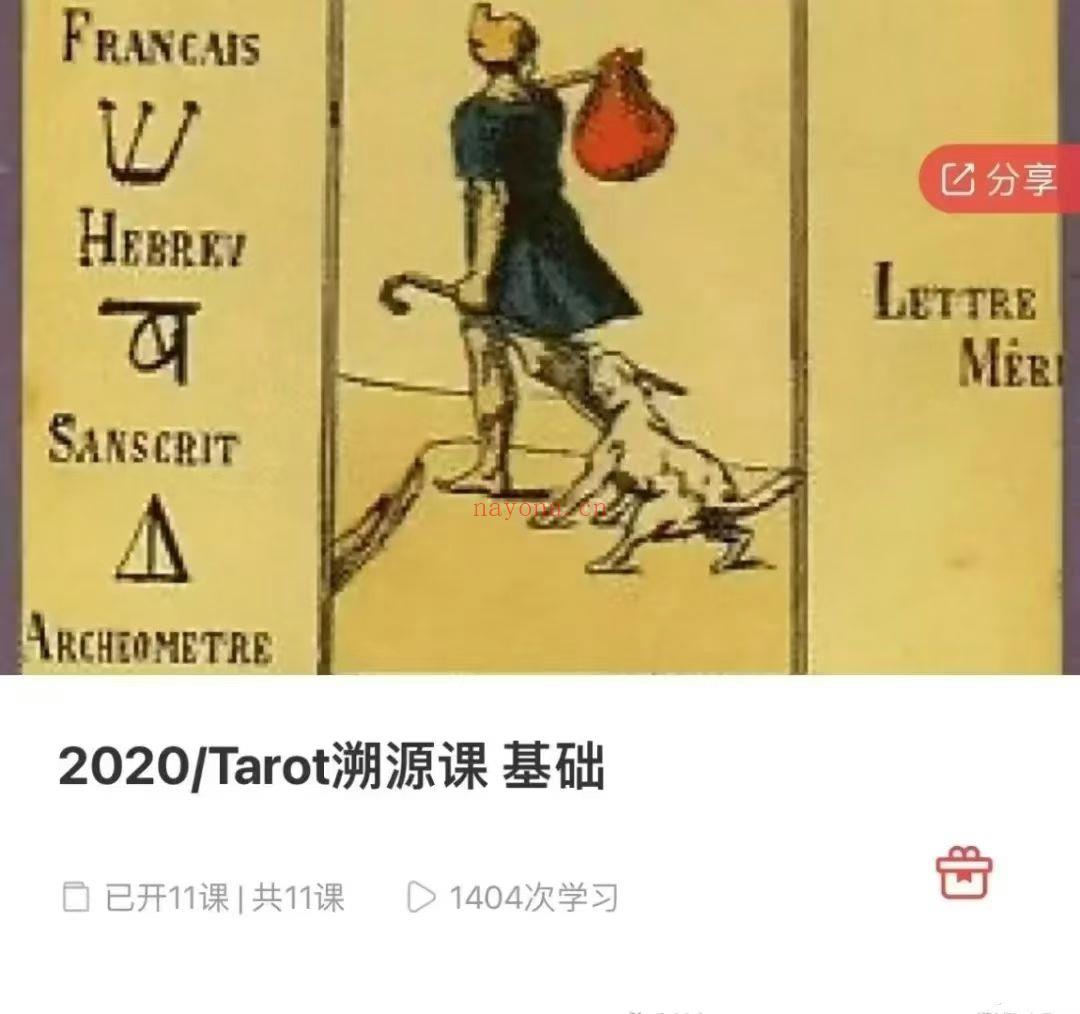
A beginner sequence by Shen Xingyu introducing tarot cards through the suits, court cards, Major Arcana and question-and-answer lessons. The original directory lists 12 recordings.
Course Overview
Shen Xingyu Tarot for Beginners: 12 Video Lessons is a digital learning resource about Tarot for Beginners. The English description summarizes the available course listing; the recordings themselves are in Chinese. English narration or subtitles are not confirmed.
What You Will Learn
Use the sequence and preview material below to identify the course’s scope, terminology and teaching approach. Compare each card interpretation with the original lesson rather than treating a short listing as a complete transcript.
Course Contents
- Introduction to tarot and a first reading
- Wands, Pentacles, Swords and Cups as named in the lesson list
- Court cards and relationship examples
- Major Arcana groups and concluding question-and-answer lessons
Original Course Images
Who This Course Is For
This resource is for learners who can follow Chinese-language video teaching and want a named course on Tarot for Beginners. Beginners should compare the stated lesson scope; a fixed level of prior experience is not assumed unless the source directory says so.
Learning Format and Digital Delivery
12 Chinese-language video lessons Virtual and downloadable; there is no physical shipment. Price: USD 9.00. A file link is not yet attached to this product. Please contact Karma Kismet before ordering to confirm delivery arrangements; immediate automated access is not promised.
Frequently Asked Questions
Are the videos in English?
No English recording or subtitles are confirmed. The original video lessons are Chinese-language material.
Is a personal reading included?
No individual consultation is listed with this course.
Does the course guarantee an outcome?
No. Tarot study is interpretive and educational, not a guaranteed prediction or substitute for professional advice.
Editorial Note
Karma Kismet translated and organized the course facts and original previews for English readers. Lesson counts and formats follow the available source listing; unspecified contents, certificates and instructor credentials are not asserted.
Related Courses
- Cai Cai Tarot from Zero: 27-Lesson Video Course
- Huan Tarot Card Meanings: 42 Video Lessons
- Cat Six Tarot Card Meanings: 25 Video Lessons
Browse Tarot for Beginners and read digital delivery information.
Reading context and study practice
The twelve-recording directory for Shen Xingyu’s beginner course identifies an introduction, suits, court cards, Major Arcana groupings, and concluding question sessions. The sequence can be studied as a way of organizing tarot vocabulary. The source’s confident promotional titles should not be repeated as guarantees about relationships, finances, or future events.
The introduction as a scope check
Use the first recording to identify how the course frames tarot and what procedure it demonstrates. A broad introductory title does not establish a complete history or a universal reading method. Write down the actual terms used and the kind of question being discussed. If the recording shows a first reading, separate card identification, position meaning, and the resulting narrative. Those steps are easy to blur when an example is engaging. Tarot can be approached as a cultural and symbolic interpretive practice without assuming that the cards reveal facts about a person’s future or another person’s private thoughts.
Wands and the question
The directory places Wands early and uses workplace-oriented wording in its title. Keep the teaching theme separate from factual career guidance. When studying a card example, identify the image or meaning used, the question asked, and the position the card occupies. A symbolic association with initiative or action can become a reflective prompt about how someone approaches a task. It does not determine their professional suitability or guarantee success. Avoid transferring a workplace example into another topic without checking how the course explains that transfer. The question gives the card discussion a context that a standalone keyword cannot supply.
Pentacles and material themes
The named Pentacles recording uses financial language in the source. Read that language cautiously. A tarot interpretation cannot establish income, affordability, debt obligations, or investment risk. For study, record the card’s symbolic themes and how the teacher connects them to an example question. Then distinguish any known financial facts from the interpretation. This helps prevent an illustrative narrative from sounding like financial advice. A learner can compare material themes across cards and understand the source’s vocabulary while recognizing that real financial decisions require current information beyond a deck and a spread.
Swords and difficult themes
The Swords title mentions difficulty and letting go. These are interpretive themes, not evidence that the cards can resolve distress or diagnose its cause. Identify which card features the recording actually discusses and how the explanation relates to the question. If the narrative suggests conflict or limitation, avoid treating that suggestion as a factual allegation about another person. A reflective exercise could ask what information or options are available in a situation. The answers must come from real circumstances. This keeps the educational discussion grounded and avoids turning symbolic language into a therapeutic or guaranteed problem-solving claim.
Court cards in relationship examples
The directory names court cards with relationship-oriented wording. A court card can be discussed as a symbolic role or perspective within the example, but it does not identify a real partner’s nature. Record how the course assigns that role and whether the assignment depends on a spread position or a stated convention. Do not assume gender, age, occupation, or romantic intention solely from the card. A careful comparison can explore how several roles are described without ranking actual people. The person’s own communication remains the relevant evidence about what they feel and what relationship they want.
Cups and emotional narratives
The Cups recording’s source title uses strongly predictive relationship language. In study notes, replace that promotional framing with a description of symbolic emotional themes. Notice how the interpretation moves from image or card meaning to an example sentence. If the sentence claims certainty about love, distinguish it from the question the learner can actually ask: what expectations, feelings, or communication patterns are known? A card cannot establish consent or guarantee a partner. The recording can still teach vocabulary and interpretive style, provided the summary makes clear that these are cultural associations rather than verified personal findings.
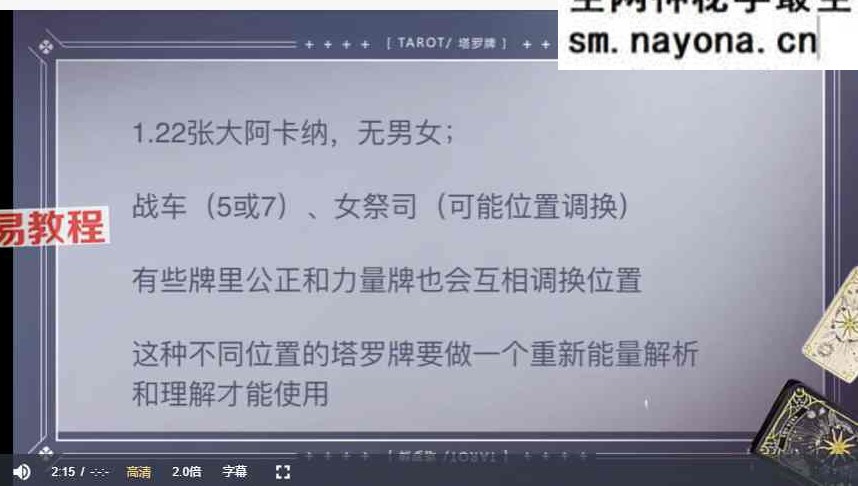
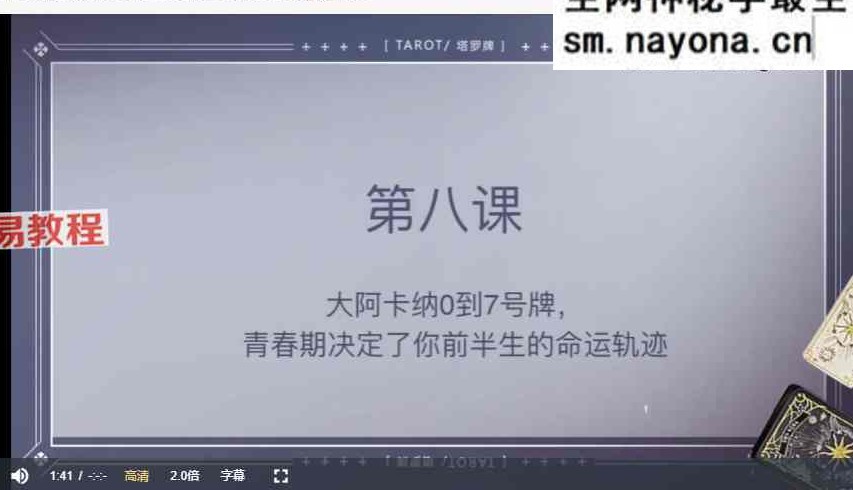
Major Arcana groupings
The directory includes an overview followed by numbered Major Arcana groups. Treat the file titles as a navigation aid and verify the exact card numbering in the recordings. Do not invent an extra card because a broad endpoint appears in a title. Numbering conventions and informal file labels may require clarification. For each group, record the cards actually discussed and the organizing theme the teacher uses. A life-stage narrative can be interesting as symbolism, but it should not become a fixed timetable for every person. Preserve the difference between a metaphorical sequence and a factual account of development.
Question sessions as revision
The final two entries identify question sessions for Minor and Major Arcana. Use them to revisit definitions and identify qualifications. A response to one question may depend on the example’s wording, card position, or assumed convention. Attach the answer to that context rather than turning it into an all-purpose rule. Recorded questions do not imply a current individual question service. They are part of the named recording sequence. A learner can make a short index linking a clarification to the earlier card lesson, which is more useful than copying the answer without the question that gave it meaning.
A first reading record
For your own practice, choose a fictional, ordinary question and use only the procedure clearly demonstrated in the material. Record the question before selecting or discussing cards. Note each card, its position, the source meaning you consulted, and the interpretation you formed. Keep an alternative interpretation if the wording is ambiguous. This makes the exercise reviewable. It also prevents a later outcome from changing your memory of what the reading originally said. The practice is an optional editorial suggestion, not an assertion that additional worksheets, personal feedback, or supervised assignments are included with the twelve recordings.
Language and responsible summaries
The recordings are identified as Chinese-language material, while this page offers an English guide. No full English narration or subtitle track is confirmed. Keep Chinese card and technical terms in a glossary where translation could be ambiguous. When summarizing, preserve lesson-count and subject facts but omit source promotions and exaggerated promises. A clear beginner reference explains what was taught, how the example was constructed, and what remains uncertain. It does not promise intuitive powers, certification, counseling competence, or guaranteed outcomes. Tarot study can remain thoughtful and engaging with those boundaries intact.