An introductory astrology series focused on interpreting ten planets. The listing gives 78 videos; its published overview is not a complete lesson transcript.
Resource Overview
Tang Qiyang Ten Planets in Astrology: 78 Videos is a digital learning resource about Planets & Zodiac Signs. The English description summarizes the available source listing; the underlying recordings or books are in Chinese. An English translation of the full material is not confirmed.
What You Will Learn
Use the sequence and preview material below to identify the course’s scope, terminology and teaching approach. Check each topic against the original lesson rather than treating a short listing as a complete transcript.
Course Contents
- Ten planets named by the course
- Planetary interpretation
- Applying planet meanings in chart study
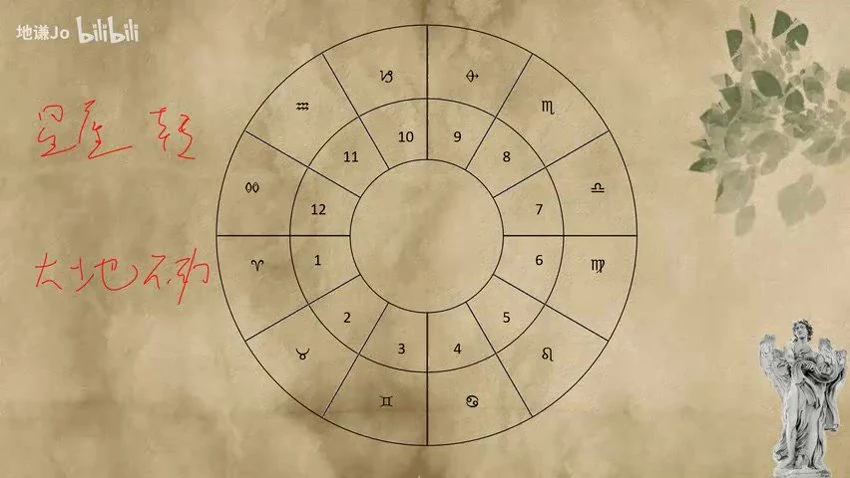
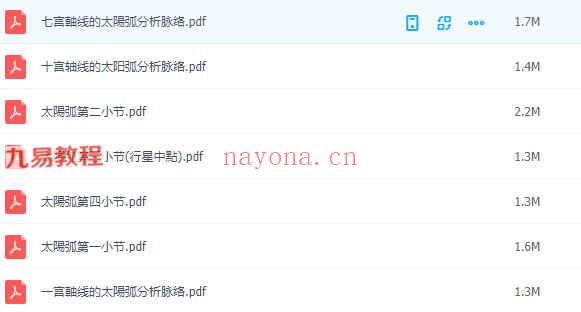
Original Course Images


Who This Resource Is For
This resource is for readers or learners who can use Chinese-language materials and want a named resource on Planets & Zodiac Signs. Compare the stated scope and previews before ordering; a fixed level of prior experience is not assumed unless the source directory says so.
Learning Format and Digital Delivery
78 Chinese-language videos according to the source title Virtual and downloadable; there is no physical shipment. Price: USD 9.00. A file link is not yet attached to this product. Please contact Karma Kismet before ordering to confirm delivery arrangements; immediate automated access is not promised.
Frequently Asked Questions
Is the full material in English?
No English edition, recording or subtitle track is confirmed. The source material is Chinese-language.
Is a personal consultation included?
No individual consultation is listed with this resource.
Does this resource guarantee an outcome?
No. It is for educational and cultural study, not a guaranteed result or substitute for professional advice.
Editorial Note
Karma Kismet translated and organized the course facts and original previews for English readers. Lesson counts and formats follow the available source listing; unspecified contents, certificates and instructor credentials are not asserted.
Related Courses
- Serina Natal Chart Reading 2024: 79 Video Lessons
- Zeng Qingxi Natal Chart and Forecasting Collection
- Quantum Astrology Planet Course: 21 Videos
- Di Qian Horary Astrology for Beginners: Six Videos
- Zeng Qingxi Horary Astrology: 14 Videos
- Meng Daren Electional Astrology: Seven Lessons
- TOM Classical Electional Astrology Course
Browse Planets & Zodiac Signs and read digital delivery information.
A Planet Based Directory With Seventy Eight Files
Tang Qiyang’s collection is listed with seventy eight video filenames organized around ten planets in astrological usage. The directory starts with the Sun, continues through the Moon, Venus, Mercury, Mars, Jupiter, and Saturn, then turns to Uranus, Neptune, and Pluto. The sequence includes stories, interpretive themes, and sign related groupings. It gives a more specific outline than the broad phrase introductory astrology alone, while remaining a list of topics rather than a full account of what is said in each recording.
The ten planet wording follows the course’s astrological terminology. It should not be treated as a statement about the astronomical classification of every named object. Similarly, phrases about a planet affecting a life area describe the course’s symbolic framework. They do not establish a verified causal mechanism. An English learner can study how the teacher uses these associations while keeping the association, the example, and any real world claim distinct. This distinction is especially helpful in a resource that combines mythology with discussion of everyday relationships and choices.
The Opening Sun and Moon Groups
The first six files concern Sun stories, identity, connections with a father and a husband, and two parts about understanding the Sun through an opposite sign. The next seven concern Moon mythology, a mother relationship, emotional value, and Moon placements in fire, air, earth, and water sign groups. These are source supported topic labels. Their family role language should be studied as the interpretation presented, not a universal rule about every person’s family. A symbolic association cannot establish what a parent or partner thinks, nor does it determine someone’s identity.
For review, record the difference between a mythological narrative and an application to a chart example. A story can provide an image or theme without proving a personal fact. If you compare the Sun and Moon explanations, note the question and context in each file before merging them. The opposite sign pair should be kept together in your index because the filenames indicate a split topic. Likewise, the four Moon element groupings can be reviewed as a set, while the detailed meaning of each grouping needs to come from the recordings.
Venus, Mercury, and Mars
The Venus group includes mythology, basic concepts, what Venus governs in the course’s approach, relationship influence, an attraction law label, and placements in four element groups. Mercury receives an introduction to twelve sign placements, stories, communication, practical suggestions, a retrograde response topic, and four element groupings. Mars includes mythology, behavior, self establishment, and four element groupings. These filenames identify concrete subjects without proving that the listed attraction or retrograde ideas produce a particular effect.
An independent comparison notebook can ask how the teacher distinguishes relationship themes, communication themes, and action themes. Record examples instead of relying only on broad keywords. If an explanation appears to fit your own experience, label that response as personal reflection. Do not extend it automatically to everyone with a similar chart factor. For the Mercury retrograde file, preserve the actual advice given and avoid translating its title into a promise that a symbolic practice can prevent ordinary errors or change external events.
Jupiter and Saturn in the Middle of the Sequence
The Jupiter files name mythology, wealth, desire or greed, social themes, and four element groupings. Saturn’s group names mythology, thought patterns, self protection, time, four element groupings, and a lesson about tasks associated with all twelve signs. These topics invite comparison of how the course describes expansion, limits, and responsibility, but that comparison should be grounded in the actual wording. A Jupiter wealth title does not make the resource a financial forecasting service, and a Saturn difficulty theme does not establish that hardship is inevitable.
When studying an example, separate a reflective theme from a practical claim. Thinking about responsibilities may be useful to a learner, while asserting that a planet caused a specific problem would require different support. The same distinction applies to money: an interpretation about desire or priorities cannot establish future income or an investment result. A clear note can record the symbolic association without importing a guarantee. It also helps preserve the difference between what the teacher says and what you independently decide the idea means in your own life.
The Uranus, Neptune, and Pluto Groups
Uranus receives files about mythology, personality themes, rebelliousness, and four element groupings. Neptune’s labels include mythology, film and television works, losing oneself, and several paired sign placements. Pluto’s group begins with discovery and destiny language, then mythology, collective consciousness, fairness, sexuality, and specific sign placement files. These are the actual directory themes. Strong words such as destiny, transformation, or collective consciousness should be preserved as interpretive language rather than repeated as confirmed explanations of human behavior or historical events.
The Neptune and Pluto placement lists are not identical to the earlier four element sequences. For example, the final Pluto filename names Libra alone, while earlier Pluto entries pair other signs. Keep the actual grouping visible rather than claiming that every planet receives an equally detailed separate lesson for all twelve signs. This matters when comparing the collection with another planet course. The seventy eight file count is a concrete inventory feature, but the distribution of topics within that count is part of what makes this particular collection distinctive.
Mythology as an Interpretive Lens
Mythological stories recur throughout the directory, so they are a useful thread for a learner’s index. For each story recording, note the narrative as presented and the symbolic theme the teacher draws from it. Keep the two steps separate. A story’s emotional resonance can support personal reflection without establishing a causal relationship between a celestial object and a person’s circumstances. If you add a different version of a myth from outside the course, label that addition. It may enrich comparison, but it should not be attributed to the recording unless it appears there.
A Review Method for Planet Groups
Study one planet group at a time, then write a short account of its stories, named themes, and placement groupings. This is an independent study arrangement, not a supplied schedule. Before moving on, identify a term you can explain and a question you still need to review. Later, compare two groups using examples rather than only their titles. The resulting notebook can make a large Chinese language collection easier to navigate while avoiding the assumption that finishing every file creates expertise or establishes the accuracy of any personal prediction.
When applying an idea independently, use it as a prompt that a person can accept, revise, or reject. Their own reported experience remains distinct from the symbolic account. This is particularly relevant to the family, relationship, wealth, and personality themes named in the directory. The course can be explored for its vocabulary and interpretive choices without turning those choices into fixed judgments about others. A careful English summary preserves the stated topics, the limits of each example, and the difference between a traditional association and an observable fact.