A Zeng Qingxi horary astrology resource listed as 14 videos. Its broad source title refers to many types of questions, not a guarantee that every question can be answered.
Resource Overview
Zeng Qingxi Horary Astrology: 14 Videos is a digital learning resource about Horary Astrology. The English description summarizes the available source listing; the underlying recordings or books are in Chinese. An English translation of the full material is not confirmed.
What You Will Learn
Use the sequence and preview material below to identify the course’s scope, terminology and teaching approach. Check each topic against the original lesson rather than treating a short listing as a complete transcript.
Course Contents
- Horary question framing
- Chart-based interpretation
- Boundaries of predictive claims
Original Course Images


Who This Resource Is For
This resource is for readers or learners who can use Chinese-language materials and want a named resource on Horary Astrology. Compare the stated scope and previews before ordering; a fixed level of prior experience is not assumed unless the source directory says so.
Learning Format and Digital Delivery
14 Chinese-language videos Virtual and downloadable; there is no physical shipment. Price: USD 9.00. A file link is not yet attached to this product. Please contact Karma Kismet before ordering to confirm delivery arrangements; immediate automated access is not promised.
Frequently Asked Questions
Is the full material in English?
No English edition, recording or subtitle track is confirmed. The source material is Chinese-language.
Is a personal consultation included?
No individual consultation is listed with this resource.
Does this resource guarantee an outcome?
No. It is for educational and cultural study, not a guaranteed result or substitute for professional advice.
Editorial Note
Karma Kismet translated and organized the course facts and original previews for English readers. Lesson counts and formats follow the available source listing; unspecified contents, certificates and instructor credentials are not asserted.
Related Courses
- Serina Natal Chart Reading 2024: 79 Video Lessons
- Zeng Qingxi Natal Chart and Forecasting Collection
- Tang Qiyang Ten Planets in Astrology: 78 Videos
- Quantum Astrology Planet Course: 21 Videos
- Di Qian Horary Astrology for Beginners: Six Videos
- Meng Daren Electional Astrology: Seven Lessons
- TOM Classical Electional Astrology Course
Browse Horary Astrology and read digital delivery information.
A Broad Horary Title With a Bounded Description
The source names Zeng Qingxi’s horary resource as fourteen videos and uses a broad phrase about measuring all things. That phrase belongs to the title’s promotional framing. It should not be understood as a guarantee that every question has an answer or that an interpretation can establish every kind of fact. The useful introductory description identifies applicability, chart casting rules, planetary characteristics, aspects, houses, timing judgments, and practical cases. Those broad subjects are supported by the source introduction, while a verified numbered lesson directory is not supplied.
This distinction helps a learner decide what can be expected from the listing. The resource concerns horary interpretation, with attention to both chart vocabulary and application. The page does not establish a particular software license, supplementary book collection, current live session, or individual consultation. General claims elsewhere in the source should not be used to add those benefits. Fourteen listed videos describe the stated format; the detailed distribution of topics needs to be identified by viewing the available recordings.
Applicability Before Interpretation
The source introduction specifically mentions the applicable scope of horary. That makes the question of suitability a useful place to start your notes. Record how the teacher distinguishes a question that can be approached within the method from one that is unclear or outside its intended use. Do not expand a broad title into universal permission to make judgments about people, health, or money. A course can discuss a technique’s internal scope while its interpretations remain different from verified evidence about the external situation.
For independent study, write the question, the information already known, and the uncertainty being explored before examining a chart. This can reveal whether the proposed question actually concerns a decision, an unknown fact, or a desire for reassurance. Those purposes are not interchangeable. If the recording reframes a question, preserve both versions and note the reason given. A faithful summary shows the role of framing rather than making the final answer appear to address every possible version of the original concern.
Chart Casting Rules Need Traceable Notes
The named chart casting rules are another concrete subject in the introduction. While studying them, record the convention actually used, including any setup details supplied in the example. Do not silently substitute the convention from another teacher. If you compare approaches, label the comparison as independent work. A question chart can be described accurately only when the learner knows what inputs and assumptions were used. Missing information should remain visible, especially if a later interpretation depends on a factor that could change with the setup.
A personal index can include the recording reference, the setup step, and the explanation for that step. This is a suggested learning aid, not a supplied course feature. It makes review more efficient and helps you distinguish a procedural uncertainty from an interpretive one. If the chart is already shown without its preparation, note that you are studying the chart presented. Reconstructing it from an approximate time and then treating it as identical can introduce a difference that your later notes fail to acknowledge.
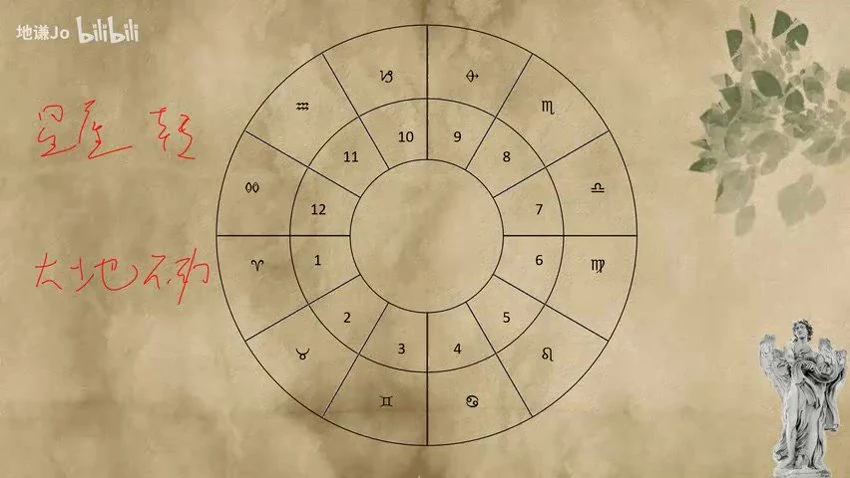
Planets, Houses, and Aspects in Context
The introduction identifies planetary characteristics, houses, and aspects. Build a glossary that records each term together with an example of its use. A list of meanings alone may not show how the teacher selects a factor for a particular question. Follow the relationship between the question and the chart factor before summarizing the meaning assigned to it. The same terminology may appear in natal astrology, but its role in a horary explanation should be established from this resource rather than assumed from familiarity.
When several factors are discussed, note their order and the weight given to them if the recording explains it. A conclusion may depend on a combination rather than on one striking feature. Do not improve the summary by adding factors the teacher did not use. If your own interpretation differs, identify the actual point of difference. This makes comparison more useful and avoids turning a complex example into a slogan that appears to answer any question with a similar chart feature.
Timing Judgments as Interpretive Proposals
Timing judgments are explicitly mentioned in the source introduction. The listing does not identify an exact technique or allocate a separate numbered lesson to it. When the topic appears, record the method demonstrated and any qualifications about the proposed period. A timing interpretation is not a verified appointment on a calendar. It should not be strengthened into a guarantee that a message, opportunity, or personal event will occur on a particular date. Preserve the original degree of certainty when translating the explanation into English.
For independent review, keep the initial wording of any timing account before observing later events. Record apparent matches, mismatches, and outcomes that remain unclear. Avoid changing the question or the proposed window after the fact. This is a method for honest note taking, not evidence that a technique has predictive validity. It helps you see how much an interpretation depends on flexible language and how much information was available when the account was first made.
Practical Cases as Examples of Reasoning
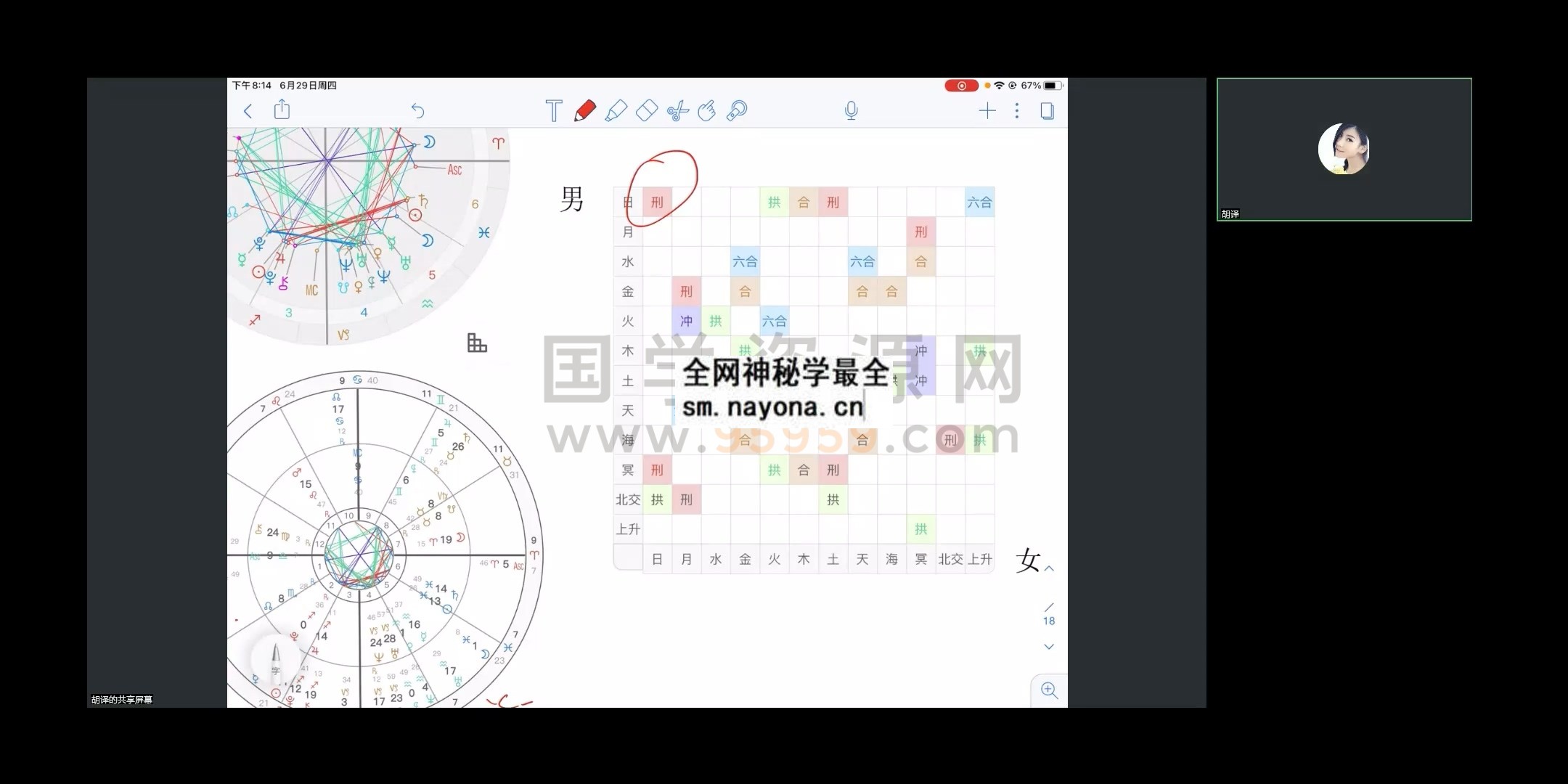
The introduction says practical cases accompany the teaching. A case can be studied by separating the question, the known circumstances, the chart observations, and the interpretation. If a later outcome is discussed, place it in another section. This preserves the distinction between reasoning forward from the information available and explaining an event retrospectively. It also makes the examples easier to compare, because you can identify whether different conclusions arise from different questions, different conventions, or additional contextual information.
Do not treat a participant’s disagreement as proof that an interpretation is secretly correct. A case summary should preserve what did not fit as well as what seemed relevant. If an example concerns another person’s intentions, the chart account cannot verify that person’s private experience. Direct communication and observable information retain their own role. The resource can be useful for examining how a reader constructs an answer without making the answer a substitute for facts that the chart does not establish.
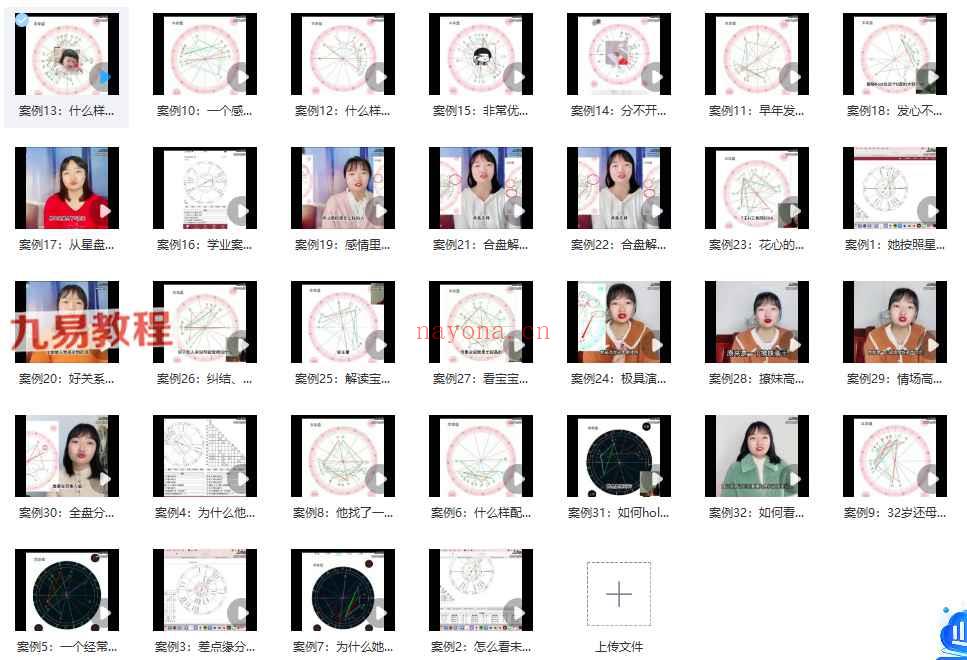
A Review Record for Fourteen Videos
As you work through the files, identify the actual topic of each and connect it to the broad areas named in the introduction. Some recordings may address more than one area. Let the material determine the mapping rather than inventing fourteen distinct lesson titles. A concise summary, a glossary entry, and an open question can make each viewing session useful. The resulting record describes your study of the course, not a qualification or a promise of accuracy. Its strength comes from traceable reasoning and careful boundaries around what remains unknown.