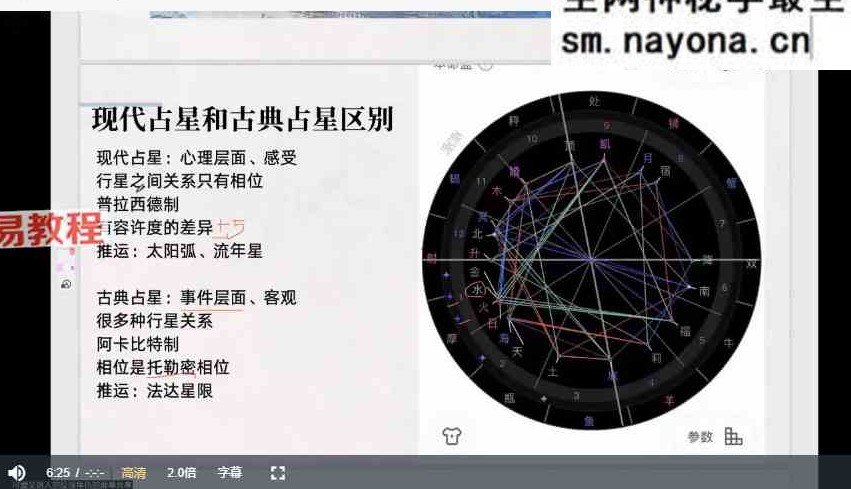
A classical electional astrology course associated with TOM Astrology and Tarot. The source describes selecting a time within a traditional astrology framework without a verified complete file count.
Resource Overview
TOM Classical Electional Astrology Course is a digital learning resource about Electional Astrology. The English description summarizes the available source listing; the underlying recordings or books are in Chinese. An English translation of the full material is not confirmed.
What You Will Learn
Use the sequence and preview material below to identify the course’s scope, terminology and teaching approach. Check each topic against the original lesson rather than treating a short listing as a complete transcript.
Course Contents
- Classical electional astrology
- Timing and chart considerations
- Limits of the published description
Original Course Images


Who This Resource Is For
This resource is for readers or learners who can use Chinese-language materials and want a named resource on Electional Astrology. Compare the stated scope and previews before ordering; a fixed level of prior experience is not assumed unless the source directory says so.
Learning Format and Digital Delivery
Chinese-language video course; lesson count is not confirmed Virtual and downloadable; there is no physical shipment. Price: USD 9.00. A file link is not yet attached to this product. Please contact Karma Kismet before ordering to confirm delivery arrangements; immediate automated access is not promised.
Frequently Asked Questions
Is the full material in English?
No English edition, recording or subtitle track is confirmed. The source material is Chinese-language.
Is a personal consultation included?
No individual consultation is listed with this resource.
Does this resource guarantee an outcome?
No. It is for educational and cultural study, not a guaranteed result or substitute for professional advice.
Editorial Note
Karma Kismet translated and organized the course facts and original previews for English readers. Lesson counts and formats follow the available source listing; unspecified contents, certificates and instructor credentials are not asserted.
Related Courses
- Serina Natal Chart Reading 2024: 79 Video Lessons
- Zeng Qingxi Natal Chart and Forecasting Collection
- Tang Qiyang Ten Planets in Astrology: 78 Videos
- Quantum Astrology Planet Course: 21 Videos
- Di Qian Horary Astrology for Beginners: Six Videos
- Zeng Qingxi Horary Astrology: 14 Videos
- Meng Daren Electional Astrology: Seven Lessons
Browse Electional Astrology and read digital delivery information.
A Classical Electional Frame Without a File Directory
The available title associates TOM Astrology and Tarot with classical electional astrology. It identifies choosing a time within a traditional interpretive framework as the subject, but the supplied source does not provide a verified numbered directory. It therefore cannot establish a complete lesson count, a detailed sequence of techniques, or the contents of particular recordings. The broader source commentary includes claims about institutions, bilingual support, communities, and future plans. Those claims are not treated as confirmed features of this digital resource.
For a learner, the useful starting question is what method the actual material presents for comparing times. The classical label can help identify the resource’s intended frame, but it does not establish one universally accepted rule set or a guarantee of success. Keep the teacher’s conventions traceable in your notes. If the material names a traditional source, preserve the attribution and the context. If it simply presents a rule, record it as the rule used in the course rather than adding a historical origin from memory.
Begin With a Defined Activity
An independent study exercise can start by defining an ordinary activity and the range of times that are genuinely available. This keeps the comparison connected to a real question rather than an abstract search for a perfect moment. The exercise is a learning suggestion, not an asserted TOM assignment. A useful record separates practical constraints from symbolic preferences. Availability, deadlines, travel time, and the participants’ consent are practical matters that do not disappear because an interpretation favors a particular date.
While viewing an example, note how the activity is defined and whether the teacher changes its scope. Choosing a time for beginning a task differs from predicting how every later stage will unfold. If an explanation moves from one purpose to the other, preserve that transition. A time selection account can be studied for its internal reasoning without becoming proof that external conditions will cooperate. This distinction is particularly relevant when a broad electional description uses examples of important events without providing the full case details.
Record the Comparison Criteria
For each criterion actually introduced in the material, write down its definition, the reason given for using it, and an example of its application. Do not create a checklist from generic astrology knowledge and then attribute it to TOM. The public listing does not verify which specific factors are emphasized or how competing factors are weighted. A personal glossary should therefore follow the recordings. If a criterion remains unclear, note the question and the relevant section rather than treating an uncertain translation as a settled rule.
A useful comparison page can show two candidate times and the observations made about each. Keep the observations separate from the final preference. This makes it easier to see whether the preference follows the stated criteria or depends on an additional assumption. It also preserves alternatives that might be lost in a short summary. If a later explanation modifies an earlier criterion, retain both versions with their contexts. The goal is a traceable account of the teaching, not a polished checklist with no record of how it developed.
Traditional Language and Modern Decisions
Classical terminology can carry evaluative words that sound stronger in everyday English than they do within a technical convention. When translating favorable, difficult, strong, or weak language, identify what is being assessed and avoid turning the term into a judgment about a person’s value. A symbolic preference for a time is not a certainty about the outcome of an event. Preserve any qualifications the teacher supplies, and label your own interpretation separately. This allows a learner to engage with the traditional framework without making it a universal factual account.
The same care applies to historical authority. A claim that a method is traditional or orthodox does not by itself establish the age, source, or accuracy of every rule. If the course provides a named reference, record it precisely. If it does not, leave the historical question open. You can still study how the method is used. Clear boundaries between historical attribution, interpretive convention, and practical recommendation make your notes more useful and reduce the chance of repeating a persuasive but unsupported claim.
Working With Examples
If a recording supplies an example, preserve the activity, the available time range, the chart setup, the criteria used, and the conclusion. Place later outcomes in a separate section. This prevents a retrospective success story from becoming the apparent basis of the original reasoning. It also allows comparison between examples with different practical constraints. The supplied listing does not document specific case outcomes, so this page does not invent a successful wedding, business opening, or other event as evidence for the course.
For independent review, include a candidate time that was rejected and record why. A comparison is more informative when it shows the alternatives rather than only the selected result. If no reason is supplied, mark the gap. Avoid revising the criteria after learning what happened simply to make the selection look successful. Honest notes can preserve uncertainty and imperfect examples while still helping you understand the interpretive process. They do not require treating every recorded conclusion as a verified forecast.
Practical Conditions Still Matter
A chosen time cannot guarantee attendance, weather, contractual performance, health, or financial results. Those conditions require their own information and planning. An independent learner can treat electional material as a cultural or symbolic practice while retaining ordinary checks for the activity involved. This is not a new lesson promised by the source. It is a boundary for applying an interpretation without allowing it to replace facts. If a practical deadline leaves only one viable time, the constraint should remain visible in the study record.
Assessing the Resource Through the Material
Because the public information lacks a detailed directory, begin your index with the actual files received or viewed rather than an invented syllabus. Record topic names after confirming them in the material. The TOM attribution and classical electional subject identify the resource, while instructor access, certification, bilingual recordings, and group participation remain unestablished by the available listing. A careful index can make the course understandable on its own terms and preserve a clear distinction between the method being studied and the outcomes that no symbolic timing choice can guarantee.