A six-video introductory course on horary astrology attributed to Di Qian. Horary uses a chart cast for a question; this listing should not be mistaken for a personal prediction service.
Resource Overview
Di Qian Horary Astrology for Beginners: Six Videos is a digital learning resource about Horary Astrology. The English description summarizes the available source listing; the underlying recordings or books are in Chinese. An English translation of the full material is not confirmed.
What You Will Learn
Use the sequence and preview material below to identify the course’s scope, terminology and teaching approach. Check each topic against the original lesson rather than treating a short listing as a complete transcript.
Course Contents
- Horary astrology introduction
- Question-chart context
- Interpretive limits
Original Course Images
Who This Resource Is For
This resource is for readers or learners who can use Chinese-language materials and want a named resource on Horary Astrology. Compare the stated scope and previews before ordering; a fixed level of prior experience is not assumed unless the source directory says so.
Learning Format and Digital Delivery
Six Chinese-language videos Virtual and downloadable; there is no physical shipment. Price: USD 9.00. A file link is not yet attached to this product. Please contact Karma Kismet before ordering to confirm delivery arrangements; immediate automated access is not promised.
Frequently Asked Questions
Is the full material in English?
No English edition, recording or subtitle track is confirmed. The source material is Chinese-language.
Is a personal consultation included?
No individual consultation is listed with this resource.
Does this resource guarantee an outcome?
No. It is for educational and cultural study, not a guaranteed result or substitute for professional advice.
Editorial Note
Karma Kismet translated and organized the course facts and original previews for English readers. Lesson counts and formats follow the available source listing; unspecified contents, certificates and instructor credentials are not asserted.
Related Courses
- Serina Natal Chart Reading 2024: 79 Video Lessons
- Zeng Qingxi Natal Chart and Forecasting Collection
- Tang Qiyang Ten Planets in Astrology: 78 Videos
- Quantum Astrology Planet Course: 21 Videos
- Zeng Qingxi Horary Astrology: 14 Videos
- Meng Daren Electional Astrology: Seven Lessons
- TOM Classical Electional Astrology Course
Browse Horary Astrology and read digital delivery information.
The Six Topics Named in the Directory
Di Qian’s introductory collection has a concrete six file outline. The filenames identify chart casting, house associations, planetary associations, zodiac sign associations, dignity or condition, and interpreting the question chart. This outline is more useful than the surrounding source page’s unrelated classification language. The actual filenames point to horary astrology, not a verified course in ritual texts or another divination system. Each subject can be indexed directly, while the detailed examples and the meaning of specialized Chinese terms need to be established from the recordings.
The progression moves from setting up the question chart to understanding its interpretive vocabulary and then reading it. That is a reasonable way to understand the listed sequence, but it does not justify inventing a complete set of subtopics for each file. In particular, the directory does not name a separate timing lesson, a particular software package, or a supplied handbook. Six videos describe the resource’s stated format. They do not establish that every possible question is addressed or that a learner will become proficient within a fixed number of viewing sessions.
Start With the Question and the Setup
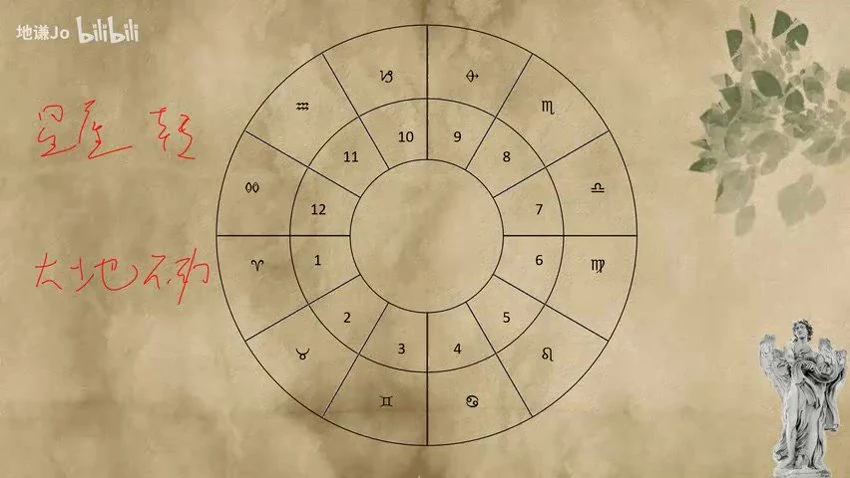
The first file is labeled chart casting. While studying it, record the information the teacher uses, the moment or convention selected, and any assumptions that affect the example. These are viewing questions for your own notebook rather than promised lesson contents. A chart is easier to revisit when its setup is documented. If the recording does not specify a detail, leave that detail unresolved. Silently filling a gap with a familiar convention from another teacher can make your notes appear more complete while changing the method being studied.
Keep the question’s original wording next to the chart reference. A question about a choice differs from a question about an event or another person’s intentions. If the wording changes during the explanation, note that change. It may affect what the reader selects as relevant. For independent practice, write the question before beginning and avoid altering it afterward to fit an appealing interpretation. This helps preserve the context and makes later review more informative, even when the interpretation itself remains uncertain.
House Associations as a Separate Vocabulary
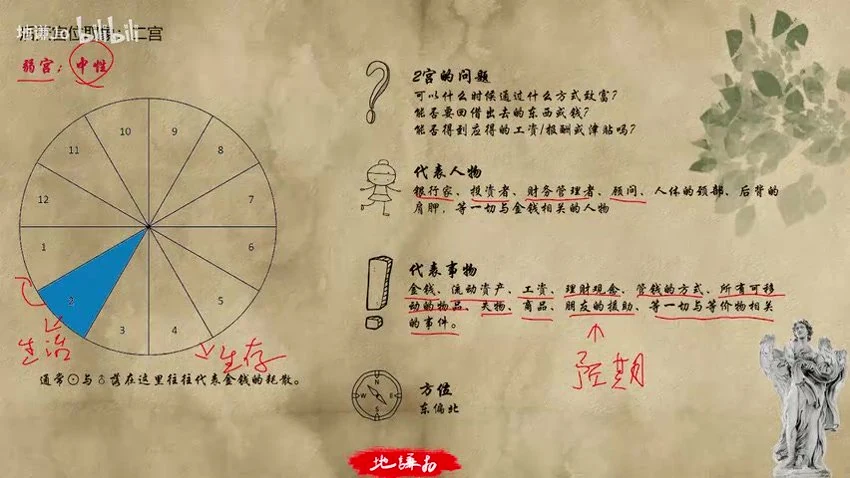
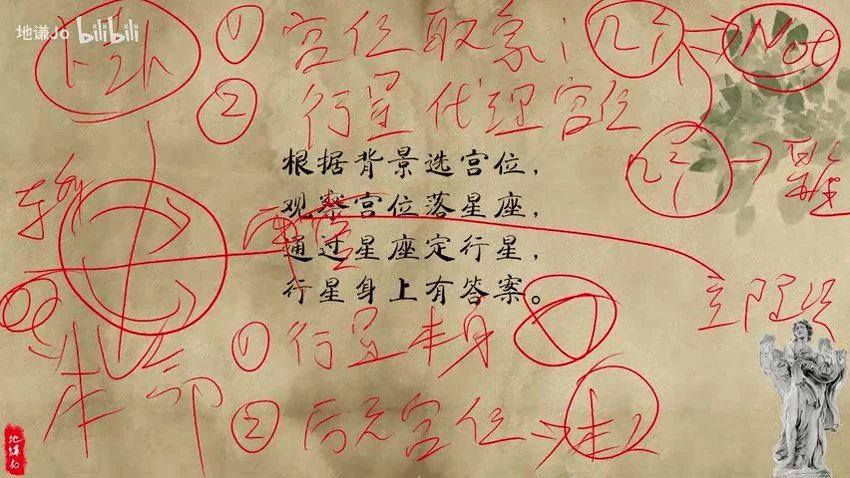
The second filename concerns house associations. Study how the teacher links a question’s subject to the chart framework, and record the reasoning rather than only a final house number. If an example concerns several people or several parts of a situation, note how those distinctions are handled. The directory establishes the broad subject, but it does not specify every assignment rule. A glossary should therefore contain only conventions you can locate in the recording, with a clear label for any comparison you add from outside material.
A useful independent exercise is to explain an assignment in plain English without relying on a memorized keyword. Write what part of the question is being represented and why the chosen convention is relevant. If you cannot explain the connection, mark it as a review point. This exercise does not validate the chart as a factual account of the situation. It clarifies the internal reasoning of the method and helps prevent one familiar association from being applied mechanically to questions that have different contexts.
Planetary and Sign Associations
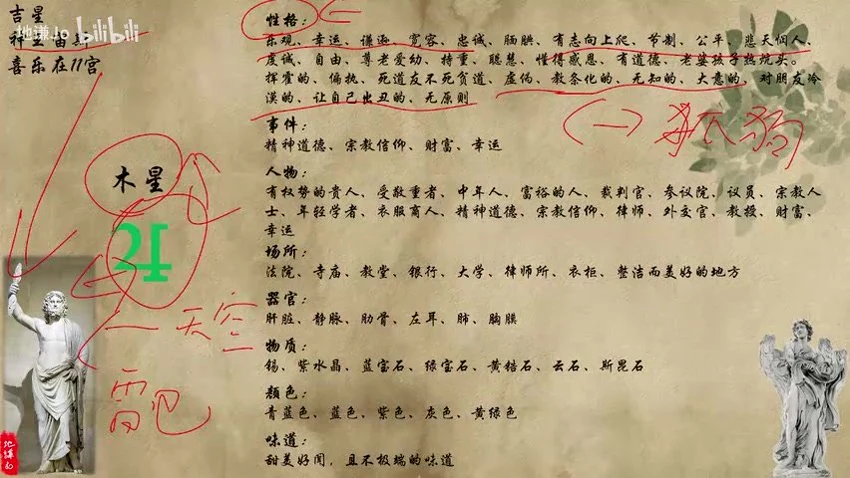
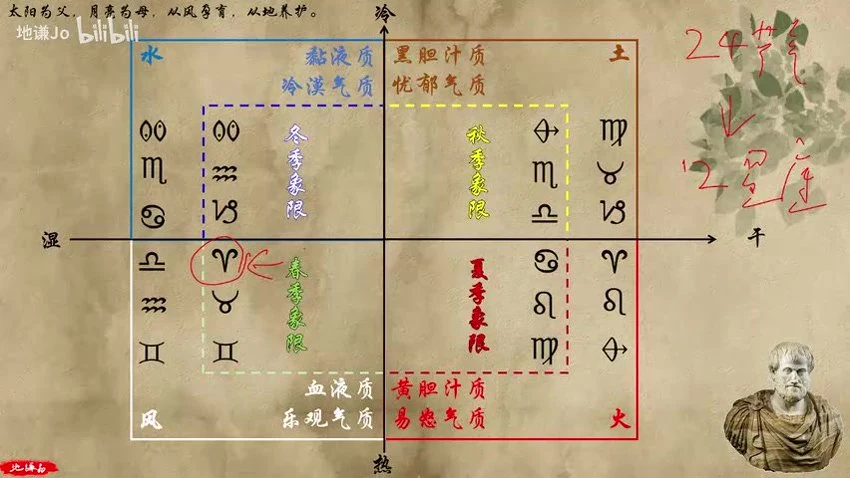
The third and fourth files distinguish planetary associations from sign associations. Keep them in separate sections of your notes before examining how they interact in a reading. A planetary term may be used to identify a role, a quality, or a convention in the explanation. A sign term may modify that description. Let the actual recording establish the relationship. Avoid importing a full natal personality account simply because the same vocabulary appears in another astrology resource. The purpose and question context may be different.
When translating the Chinese explanations, retain an example alongside each working definition. A single English word can conceal several uses of a term. If the teacher changes emphasis across examples, add the new context instead of replacing the original definition. This makes the glossary more reliable and preserves the distinctions needed for later review. Personal associations can be useful, but place them on a separate line so that they do not become remembered as instructions that the course never supplied.
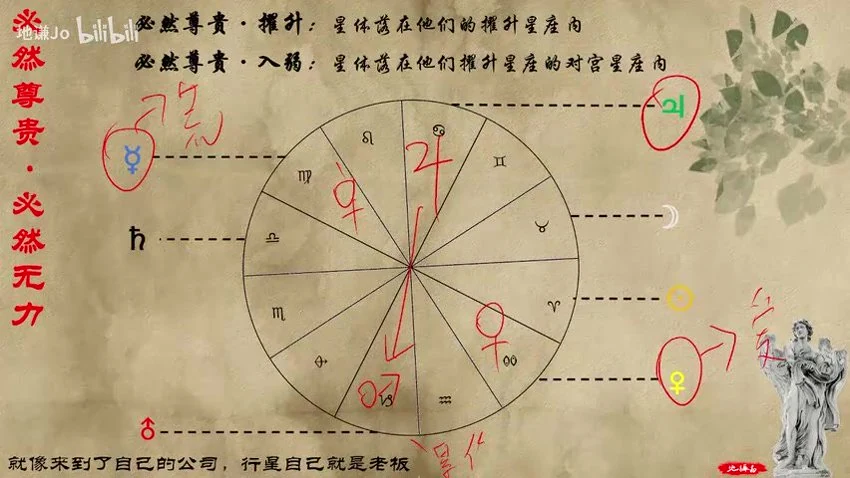
Dignity and Condition in the Fifth File
The fifth filename uses language about qualities and dignity. An English rendering should remain provisional until the explanation makes the term clear. Record the factors being assessed and the role that assessment plays in the reading. Do not assume that a favorable or difficult condition is a judgment about a person’s worth, character, or inevitable fate. It is part of an interpretive framework. The distinction matters when a technical description is paraphrased into ordinary language, where a cautious convention can easily become a much stronger personal claim.
Compare the fifth file with the earlier vocabulary files by tracing a single example, if the recording supplies one. Identify which part of the account comes from an association and which comes from an assessment of condition. This is a study method you can use independently, not a claim that a particular exercise is included. It helps explain how the building blocks are combined and where you may need to revisit an earlier definition before attempting a whole question chart interpretation.
Following the Interpretation File
The sixth file is explicitly labeled interpreting the chart. Approach it by documenting the sequence of reasoning: the question, the selected chart factors, the relationships discussed, and the conclusion offered. Keep qualifications in the summary. A phrase suggesting a possibility should not become a categorical answer in your English notes. If an outcome is described later, record it after the initial interpretation. Otherwise, hindsight can make the reasoning look more precise than the explanation actually was.
A recorded example may be useful for studying a method without proving that the method answers similar questions reliably. Preserve uncertainties and mismatches alongside the parts you understand. When applying an idea personally, remember that a symbolic chart cannot verify an absent person’s thoughts or replace direct information about a situation. The six file resource is an introduction to a named interpretive practice, not a personal prediction service or a guarantee of outcomes.
A Compact Review Plan
Create a six entry index using the actual filenames, then attach vocabulary, setup notes, and example summaries to the relevant entry. This arrangement follows the listed scope without inventing a workbook or assessment. At the end of a review, choose one term you can explain, one reasoning step you can trace, and one uncertainty to revisit. A small Chinese language collection can support careful study when those notes remain specific. The quality of the record depends on accuracy and context, not simply on finishing all six files.