A compilation of Pure Land Buddhist study resources. The source title identifies a collection, not a single authored course or a verified set of video lessons.
Resource Overview
Pure Land Study Resources: Digital Collection is a digital learning resource about Pure Land Buddhism. The English description summarizes the available source listing; the underlying recordings or books are in Chinese. An English translation of the full material is not confirmed.
What You Will Learn
Use the sequence and preview material below to identify the course’s scope, terminology and teaching approach. Check each topic against the original lesson rather than treating a short listing as a complete transcript.
Course Contents
- Pure Land study resources
- Collection format
- Scope of the available listing
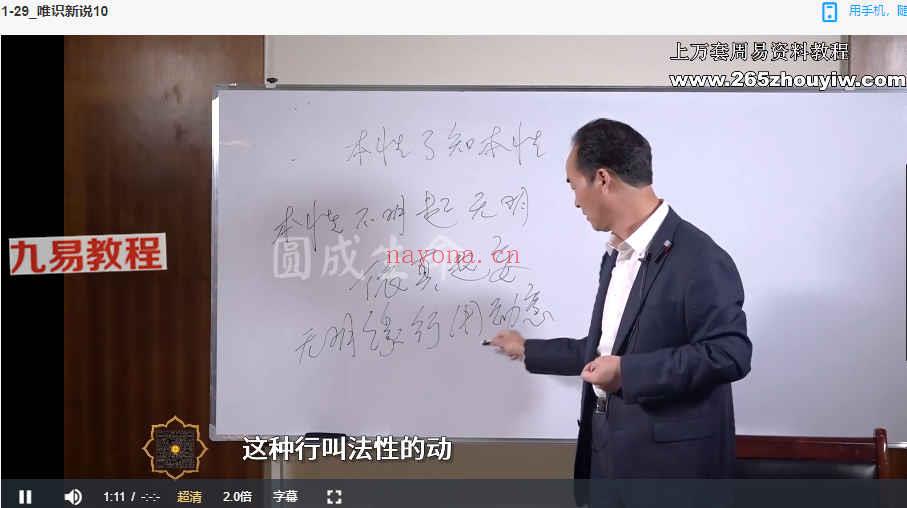
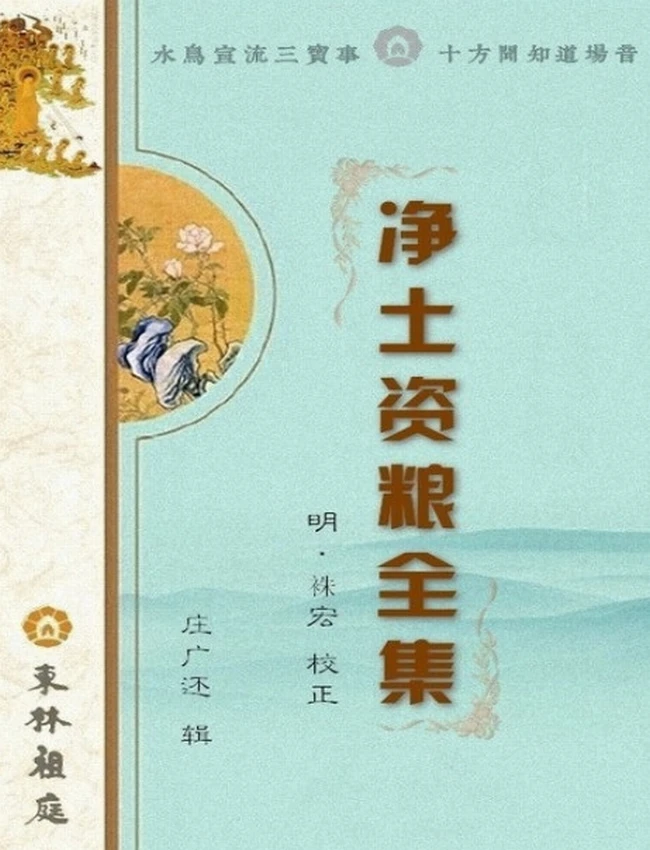
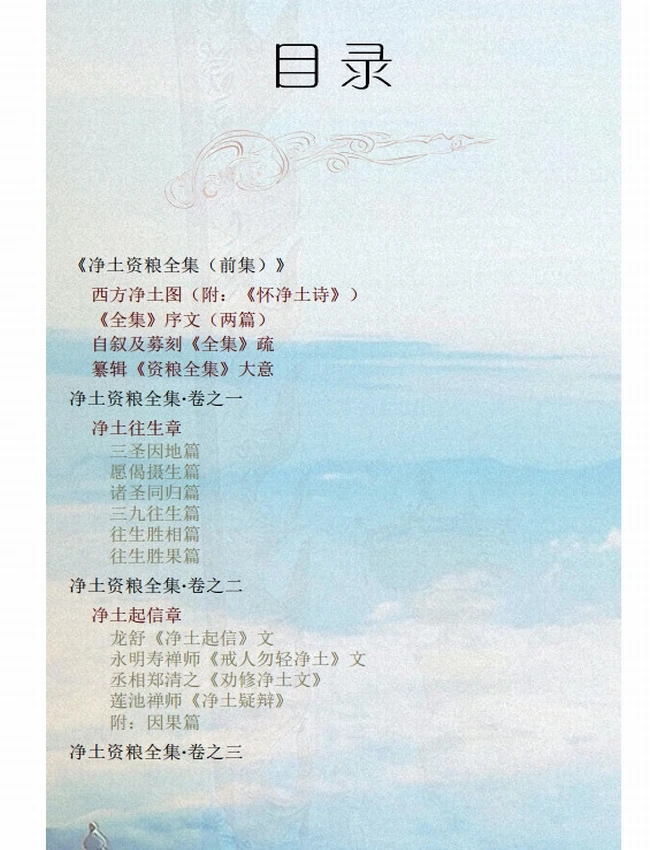
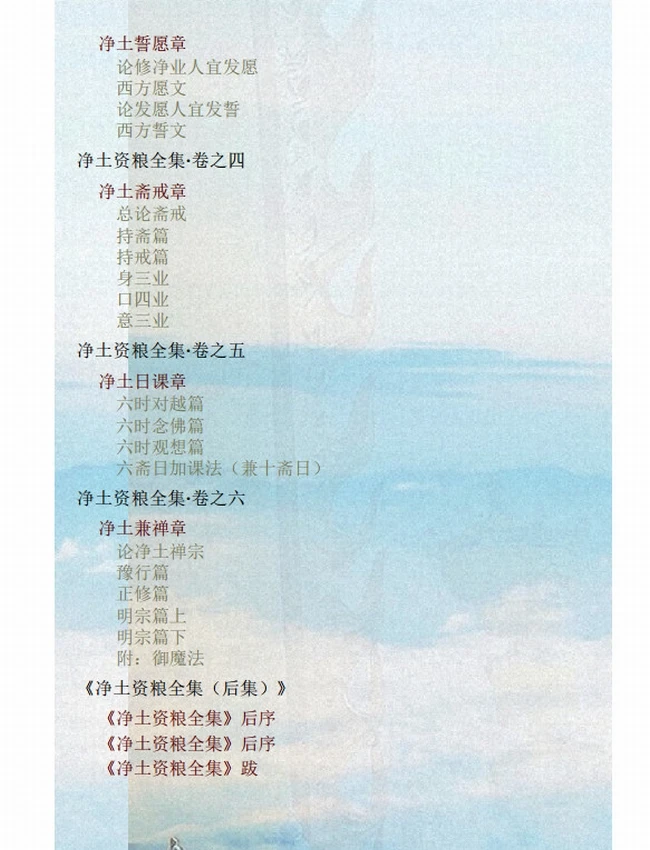
Original Course Images
Who This Resource Is For
This resource is for readers or learners who can use Chinese-language materials and want a named resource on Pure Land Buddhism. Compare the stated scope and previews before ordering; a fixed level of prior experience is not assumed unless the source directory says so.
Learning Format and Digital Delivery
Chinese-language digital collection; item count not confirmed Virtual and downloadable; there is no physical shipment. Price: USD 9.00. A file link is not yet attached to this product. Please contact Karma Kismet before ordering to confirm delivery arrangements; immediate automated access is not promised.
Frequently Asked Questions
Is the full material in English?
No English edition, recording or subtitle track is confirmed. The source material is Chinese-language.
Is a personal consultation included?
No individual consultation is listed with this resource.
Does this resource guarantee an outcome?
No. It is for educational and cultural study, not a guaranteed result or substitute for professional advice.
Editorial Note
Karma Kismet translated and organized the course facts and original previews for English readers. Lesson counts and formats follow the available source listing; unspecified contents, certificates and instructor credentials are not asserted.
Related Courses
- Shizhao Heart Sutra Commentary: 116 Videos
- Zhang Xianjun Heart Sutra Video Course: 85 Lessons
- Qingyun Tiangang Meditation: 21 Videos
- Buddhist Sitting Meditation Talks: 21 Videos
- On Mahayana Buddhist Thought: Digital Book
- Studies in Mahayana Buddhism: Academic Collection 99
- Wings of Awakening: Theravada Texts in Translation
- History of Theravada Buddhism: Digital Book
- Geng Kan Twenty Verses on Consciousness-Only: 110 Videos
- Zhang Xiang Consciousness-Only Studies: 38 Videos
- Tang Yongtong Buddhist History of the Sui and Tang: Volume Two
- History of Chinese Buddhism: Republican-Era Series
- Lotus Pure Land: The Buddhist Other Shore
Browse Pure Land Buddhism and read digital delivery information.
Understanding a Pure Land collection
This product is identified as a digital collection of Pure Land Buddhist study resources. The existing record does not confirm an item count, a single author, or a unified lesson sequence, and the supplied source text is empty. A responsible description therefore cannot list particular scriptures, teachers, commentary titles, recordings, or editions as included. The collection’s subject and digital format are the identification anchors available here. Before choosing it for a specific text or teaching, confirm the actual inventory rather than assuming that a broadly named collection contains every familiar Pure Land resource.
The word collection can describe different arrangements. Materials may be grouped by title, author, format, or another organizing principle, but none of those arrangements is verified in this record. Treat the first stage of study as identifying what is actually present. This is not a criticism of the material; it is the ordinary task of working with a compilation whose contents are not transcribed. An English product description can help you plan that task without making the collection appear more specific than the evidence allows.
Creating an inventory from the delivered materials
For each item, record the visible title, author or speaker attribution if stated, format, and edition information. If a file contains several works, note where each begins. If two files seem to duplicate one another, compare title pages or opening material before deciding they are the same. A filename can be abbreviated or inaccurate, so it should not be the only basis for identification. This proposed inventory method is independent reader guidance; it does not imply that an official catalogue or a particular folder system accompanies the product.
Keep uncertain information visible. A file without a clear attribution should remain unattributed in your notes until evidence establishes it. An unreadable page should be marked as unreadable, not reconstructed from a similarly titled work. This is especially useful in a collection because mistaken details can spread across several summaries. If you need a particular translation or edition for research, verify it before investing substantial reading time. The current listing does not establish those details, and a category label alone cannot supply them.
Distinguishing kinds of Pure Land material
Pure Land study may involve scripture, commentary, historical writing, devotional explanation, or discussion of practice. These are examples of material types a reader might encounter in this subject area, not a confirmed list of items in this collection. Once you identify the actual files, assign a tentative type based on the text itself. A historical account asks different questions from a devotional passage, and a commentary has a different relationship to a primary text from an introductory summary. Keeping those forms distinct can make the study clearer and more respectful.
For a commentary, identify the text being explained and keep quotations separate from the explanation. For a historical work, attend to sources, periods, and the author’s argument. For a practice discussion, notice its audience, context, and any stated need for guidance. These are reading questions rather than a substitute for the material’s own instructions. Do not infer a recommended practice from the collection title. A compilation can include discussion of a subject without establishing that every item is meant as a personal training manual for every reader.
Choosing a focused reading question
Instead of trying to absorb an entire collection at once, choose a question that can be answered from one identified item. You might ask how a passage defines a term, how a commentator explains a quotation, or what a historical account says about a particular period. The exact question should follow the actual contents. This prevents a broad interest in Pure Land Buddhism from becoming an invented syllabus imposed on files whose scope has not yet been checked. A precise question also makes it easier to recognize when a resource does not supply the answer you need.
After reading a section, write what it says and what remains uncertain. If another item addresses the same question, compare them with clear attribution. Do not merge differing explanations into one statement and then call it the collection’s teaching. A compilation can preserve multiple voices, and its existence does not establish consensus among them. An unresolved difference can be a useful result because it points toward a more specific inquiry. The goal of a reading notebook is to retain that evidence and context rather than force every resource into agreement.
Language and terminology
The existing record describes Chinese language materials and does not confirm a full English translation. If you use English notes, preserve recurring Chinese expressions and record how each item explains them. A term may carry devotional, doctrinal, or historical meanings depending on context. A convenient English equivalent may not fit every occurrence. Retaining the source wording helps you revise an interpretation later without losing the link to the passage. No bilingual glossary or translated transcript is established by this listing, so your notes are an aid you create yourself.
When comparing resources, identify whether differences concern translation, interpretation, or the subject being addressed. A similar word can be used in different ways, and a different word may be chosen for a related idea. Begin with the actual passage rather than a category label. If an English title is supplied elsewhere, check whether it identifies the same edition before importing details. This is a practical safeguard for a collection with unconfirmed contents: familiar names can make it tempting to fill gaps with remembered information that does not belong to the delivered materials.
Respectful reflection and discussion
Reading about a religious tradition can be approached from within a faith commitment or as cultural and intellectual study. Make your own perspective explicit in notes without assuming that every item addresses the same audience. If a passage invites devotion, a reader can study its language and context without claiming that all readers must adopt the practice. If a passage prompts personal reflection, label that response as yours. The collection title does not establish personal spiritual direction, a consultation, or authority to decide how another person should believe or act.
In discussion with other readers, share the specific item and page or recording reference. Allow different responses and avoid treating private religious experience as something participants must disclose. A thoughtful conversation can focus on terminology, interpretation, or historical context. No facilitated study group is confirmed here, so any shared reading arrangement is separate from the product. The same care applies to claims of spiritual results: a resource may describe beliefs or aspirations, but the collection’s availability does not prove that a reader will attain a particular state by finishing it.
Checking fit before ordering
If you need a named scripture, commentary, author, or number of files, obtain direct confirmation of that requirement. The empty supplied source text and unconfirmed item count make those checks necessary for an informed match. Also confirm the formats you can use and the Chinese language requirement. The digital collection does not imply physical books, audio narration, video lessons, certificates, or live access to a teacher. Choose it for the identified Pure Land study subject once the actual inventory fits your purpose, then build a reading path from verified contents rather than assumptions about what a comprehensive collection ought to contain.