A 38-video course attributed to Zhang Xiang on Consciousness-Only thought and its account of reality. Philosophical claims are described as positions within a tradition.
Resource Overview
Zhang Xiang Consciousness-Only Studies: 38 Videos is a digital learning resource about Buddhist Ethics & Philosophy. The English description summarizes the available source listing; the underlying recordings or books are in Chinese. An English translation of the full material is not confirmed.
What You Will Learn
Use the sequence and preview material below to identify the course’s scope, terminology and teaching approach. Check each topic against the original lesson rather than treating a short listing as a complete transcript.
Course Contents
- Consciousness-Only framework
- Philosophical interpretation
- Comparing course claims with Buddhist source texts
Original Course Images
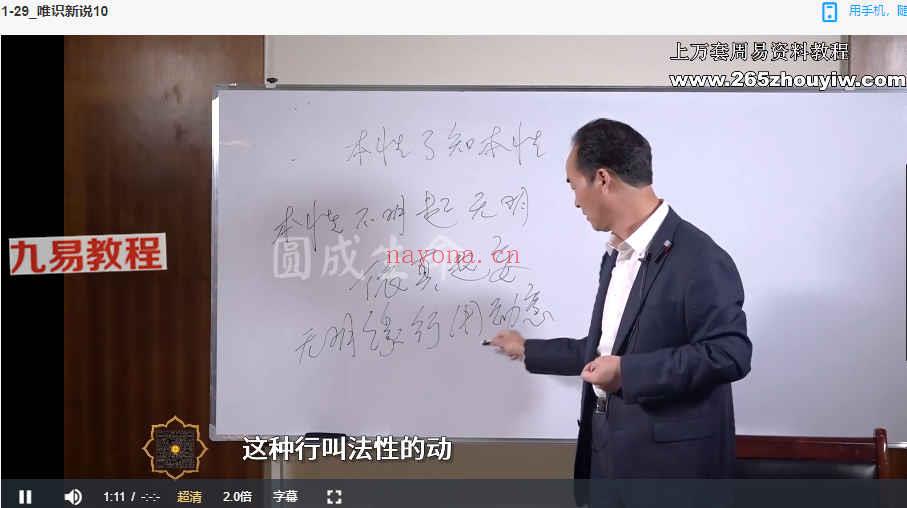
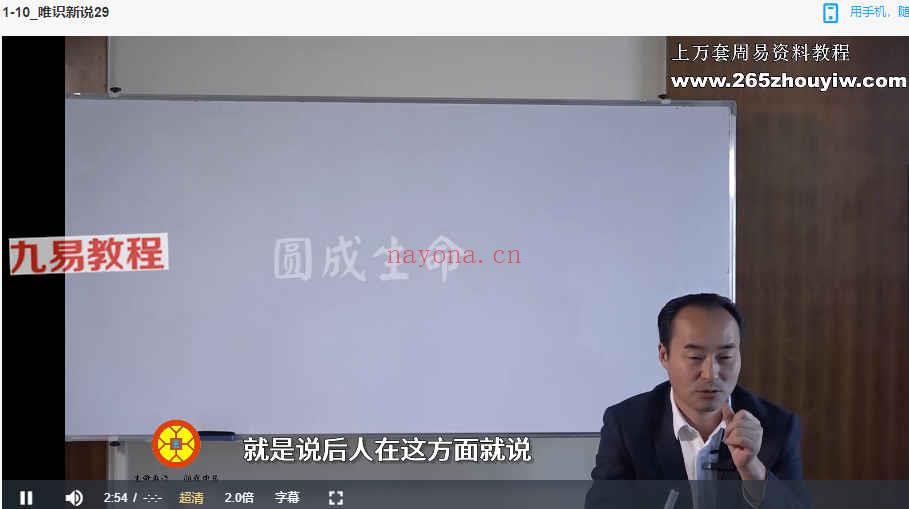

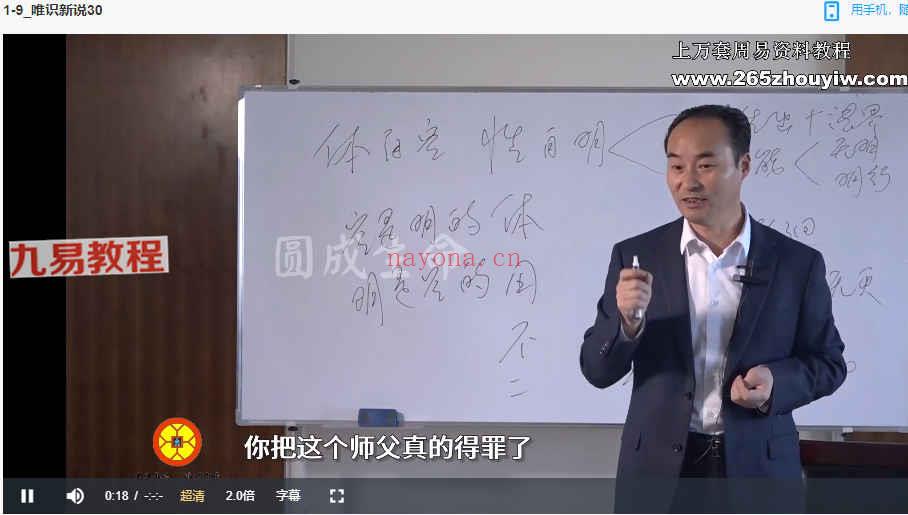
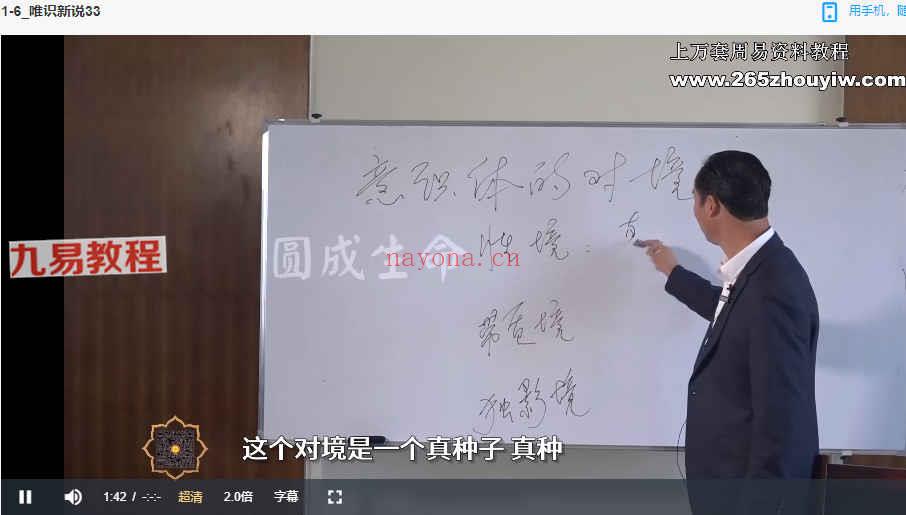
Who This Resource Is For
This resource is for readers or learners who can use Chinese-language materials and want a named resource on Buddhist Ethics & Philosophy. Compare the stated scope and previews before ordering; a fixed level of prior experience is not assumed unless the source directory says so.
Learning Format and Digital Delivery
38 Chinese-language videos Virtual and downloadable; there is no physical shipment. Price: USD 9.00. A file link is not yet attached to this product. Please contact Karma Kismet before ordering to confirm delivery arrangements; immediate automated access is not promised.
Frequently Asked Questions
Is the full material in English?
No English edition, recording or subtitle track is confirmed. The source material is Chinese-language.
Is a personal consultation included?
No individual consultation is listed with this resource.
Does this resource guarantee an outcome?
No. It is for educational and cultural study, not a guaranteed result or substitute for professional advice.
Editorial Note
Karma Kismet translated and organized the course facts and original previews for English readers. Lesson counts and formats follow the available source listing; unspecified contents, certificates and instructor credentials are not asserted.
Related Courses
- Shizhao Heart Sutra Commentary: 116 Videos
- Zhang Xianjun Heart Sutra Video Course: 85 Lessons
- Qingyun Tiangang Meditation: 21 Videos
- Buddhist Sitting Meditation Talks: 21 Videos
- On Mahayana Buddhist Thought: Digital Book
- Studies in Mahayana Buddhism: Academic Collection 99
- Wings of Awakening: Theravada Texts in Translation
- History of Theravada Buddhism: Digital Book
- Geng Kan Twenty Verses on Consciousness-Only: 110 Videos
- Tang Yongtong Buddhist History of the Sui and Tang: Volume Two
- History of Chinese Buddhism: Republican-Era Series
- Pure Land Study Resources: Digital Collection
- Lotus Pure Land: The Buddhist Other Shore
Browse Buddhist Ethics & Philosophy and read digital delivery information.
The source’s framing of the series
The source identifies Zhang Xiang’s Consciousness Only studies as thirty eight videos and gives the Chinese series a subtitle concerning an account of the universe as it truly is. It describes the material as reflections and experiences relating to cultivation. These are the source’s framing statements, not proof that the series establishes a scientifically verified cosmology. The resource is a presenter’s philosophical and spiritual interpretation. Its claims should be examined within that context, rather than repeated as objective facts merely because the title uses confident language about reality.
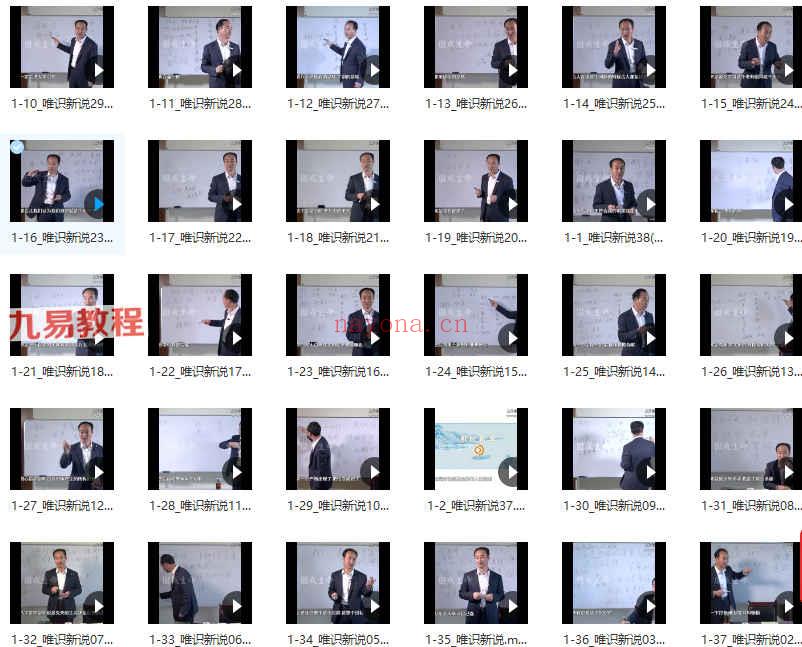
The file directory confirms a collection of numbered MP4 recordings, but it does not provide descriptive topics for each lesson. Specific arguments, practices, or textual references cannot therefore be assigned to individual videos from the listing. This is a useful distinction for someone comparing resources: a detailed file inventory establishes format and numbering, while a topic directory would establish different information. The Chinese language recordings remain necessary for understanding what the presenter actually discusses. An English overview can identify the resource without inventing a curriculum to make it appear more complete.
Reading the reversed file labels
The displayed filenames contain two numbering systems. The file with a prefix corresponding to the first position is labeled as episode thirty eight and marked as the concluding part; another near the end is labeled as episode one. This suggests that the visible prefix order and the internal episode labels should not be treated as the same sequence. Do not begin by assuming that the first file in a sorted folder is the opening lesson. Check the episode label and the recording’s introduction before deciding the viewing order.
One filename in the directory lacks the same explicit episode label as its neighbors. Preserve that uncertainty rather than assigning a missing number from the pattern alone. A practical inventory can include the complete filename, the visible internal label, and the subject identified after watching. If the file itself clarifies its position, add that information to your notes. This reader made index can prevent confusion in a collection whose displayed naming order runs against the apparent episode sequence. No prebuilt index or corrected file naming system is established by the listing.
Reflection and argument are different layers
The source describes the videos as insights and experiences related to cultivation. Personal testimony can illuminate how a presenter understands a subject, but it is different from a textual citation or a philosophical demonstration. As you watch, note whether a statement is based on experience, an analogy, a cited passage, or an argument. This does not require dismissing experience. It simply keeps the basis of a statement visible. A report of how something felt to the speaker cannot by itself establish that everyone will have the same experience or that a universal claim about reality follows.
The subtitle’s account of the universe deserves the same attention. Ask what the presenter means by reality in the immediate discussion. It may concern perception, interpretation, a spiritual account, or another question that needs to be identified from the recording. Do not silently translate the subtitle into claims about physics or neuroscience. If the speaker makes such comparisons, record them as comparisons and examine their support separately. The product listing confirms a philosophical subject and a named presenter, not an independently validated model of the physical world.
A vocabulary record for this course
Keep a glossary of Chinese terms that recur in Zhang Xiang’s explanations. For each, note the episode and a sentence about how it is used there. If you write in English, choose equivalents cautiously and retain the original term when necessary. A word rendered as consciousness, knowing, or reality may carry a particular distinction that a broad translation obscures. The best guide is the speaker’s explanation in context. A translated product title is not enough to determine the meaning of every technical expression in thirty eight recordings.
After several episodes, review your glossary and identify whether a definition changed or became more precise. A revised note is evidence of attentive study, not a reason to hide the first interpretation. If a term is still unclear, state the question specifically: whether you do not understand the word, the argument, or the relation to a text. Those are different problems and may need different kinds of further reading. The source does not confirm a transcript or bilingual teaching support, so your glossary is an independent aid rather than a supplied component.
Listening for the structure of a claim
For a central claim in an episode, write down what is being proposed and what would count as support for it in the discussion. If the presenter moves from an example to a general statement, ask whether the example demonstrates the statement or only illustrates it. If an explanation invokes a tradition, identify the named source if one is given. These are general questions for critical viewing, not assertions that every recording contains a formal argument. They help you engage with the actual presentation without either accepting or rejecting it on the strength of the title alone.
It can also help to distinguish a recommendation from a description. A speaker may describe an experience without asking viewers to reproduce it, or may offer an interpretation without presenting a practice instruction. Do not convert every reflective passage into an exercise. If a practical activity is actually instructed, note the conditions and limits stated in the recording. The supplied directory does not establish individual suitability or supervision. Observing a discussion remains a valid use of the course, especially when its subject is interpretation rather than a verified step by step training program.
Comparing this course with textual study
If you are also reading a Consciousness Only text, compare identifiable passages rather than assuming that Zhang Xiang’s series is a commentary on the same work. The listing does not name a single primary text for all thirty eight episodes. Record when the presenter cites a text and when the discussion appears to be a personal exposition. This keeps the course distinct from Geng Kan’s named Twenty Verses study resource. Two products can share a philosophical category while having different aims, source materials, and forms of explanation.
A comparison notebook could ask how a particular concept is defined in each resource and what question the definition serves. Keep each attribution clear and avoid combining two explanations into a sentence that neither source actually states. If you notice a difference, investigate it before calling it a contradiction. It may concern terminology, scope, or the kind of claim being made. This approach makes comparison useful without inventing consensus or disagreement. No comparative workbook is confirmed; the questions are suggestions for readers who choose to study more than one resource.
Selecting and using the recordings
The thirty eight video count provides a manageable identification anchor, but file size does not establish lesson duration, playback quality, or ease of understanding. Confirm the actual files if those practical details matter. Begin with the genuine opening episode once its position is clear, then assess whether the Chinese language and reflective presentation suit your purpose. The virtual listing does not establish live instruction, professional qualification, or an English translation. Choose it for the named presenter’s account of Consciousness Only thought, while preserving the distinction between personal cultivation reflections, philosophical positions, and independently verifiable facts.