

Study Lin Laijin Introduction to Form School Feng Shui through an English digital resource with curriculum notes, original material previews, FAQs and.
Course Overview
This English digital resource presents the available material as a structured learning path. It preserves verifiable curriculum details and visual references while adding clear navigation, study guidance and definitions for international learners.
What You Will Study
- Core concepts and terminology associated with this subject
- A practical sequence for reviewing the supplied lessons or reference material
- Examples, diagrams or case notes included in the source curriculum
- Responsible interpretation without guaranteed outcomes
Curriculum and Source Notes
Vertical professional tutorial
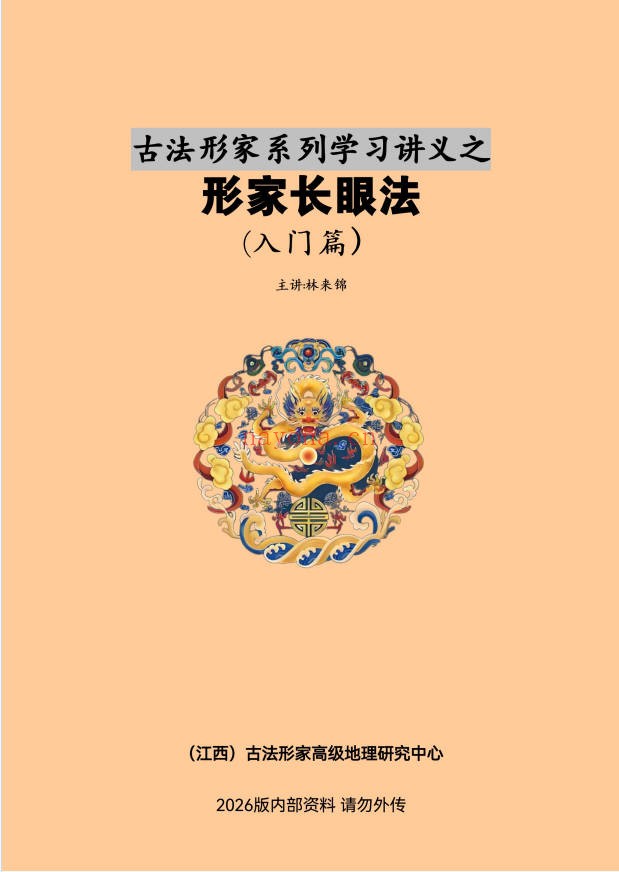
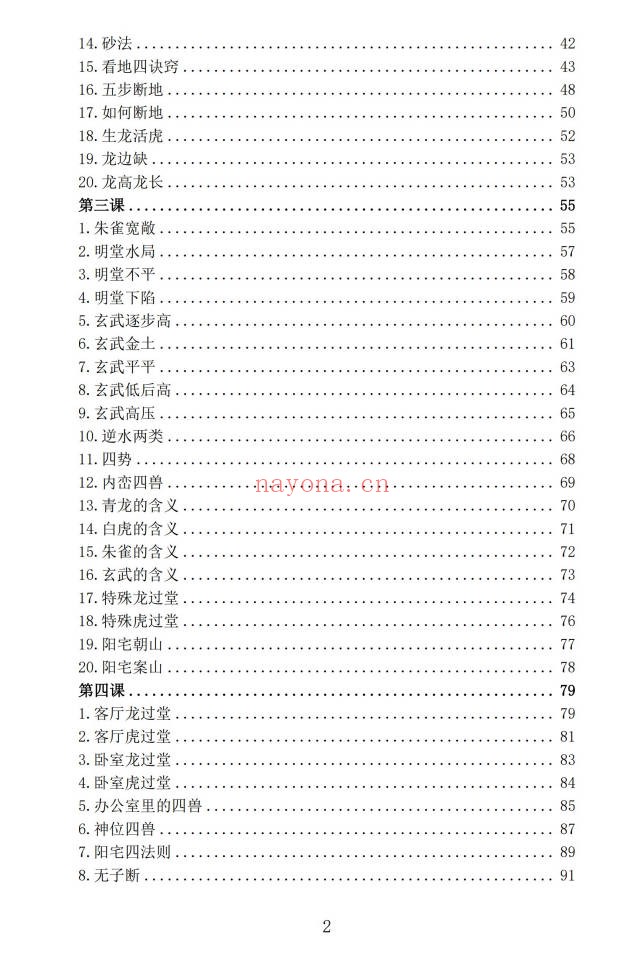
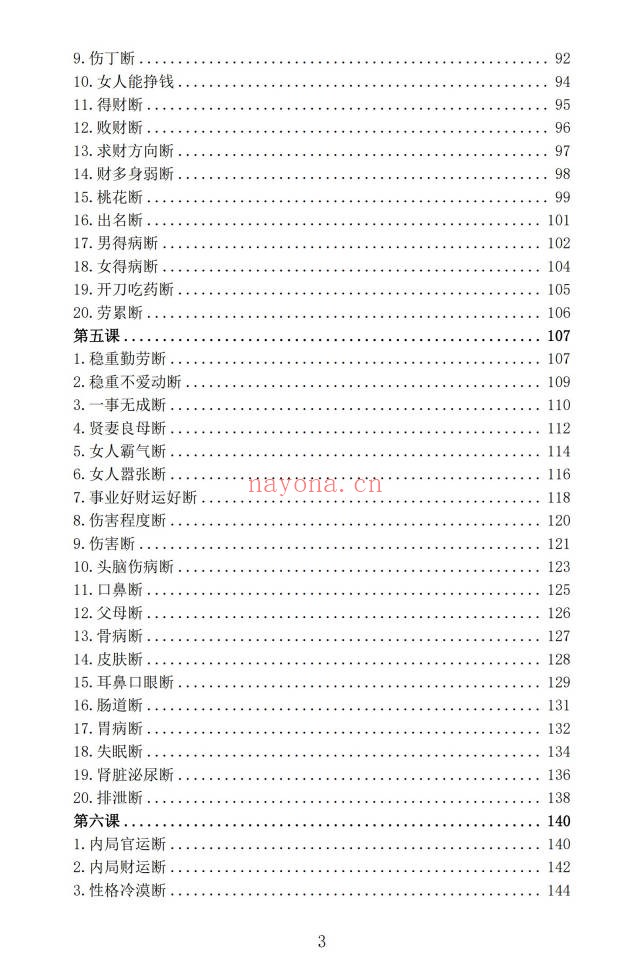
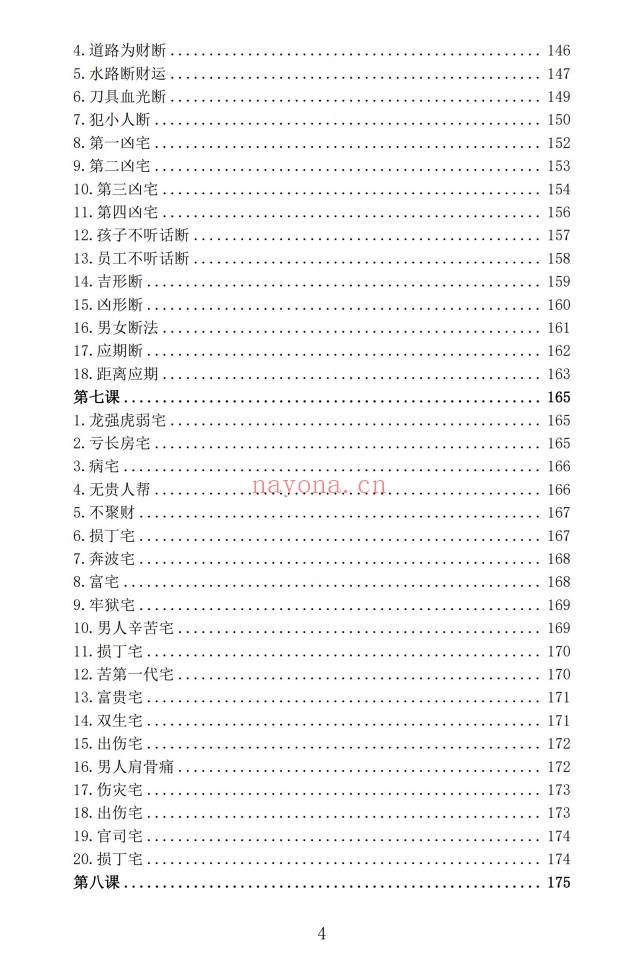
Ancient 2026 – Lin Laijin's new book "Shape Parent's Eye Technique·Introduction" was published. The book has 197 pages, 180 color pictures, and more than 54,000 text internal learning materials. Relying on the traditional Luantou Four Beasts system, a complete Feng Shui introductory system is constructed. It is divided into nine lessons to explain the on-the-spot identification methods of Green Dragon, White Tiger, Suzaku, Xuanwu, and Dragon Cave Water and Sand. It is equipped with special judgments on the number of people, wealth, injuries, official status, marriage, etc. It also takes into account the study and judgment of outdoor geomorphology and indoor house layout. It is suitable for in-person Feng Shui learners to study on the spot.
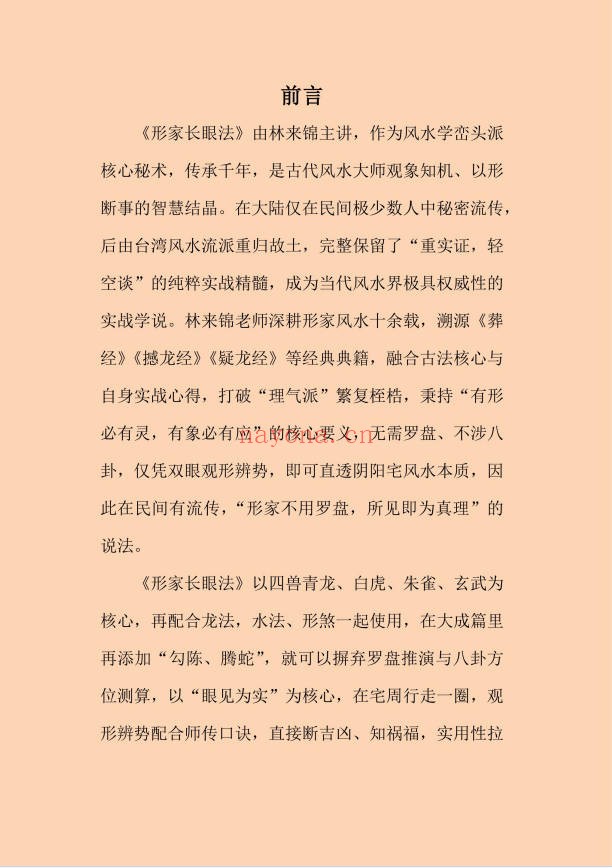
As the core secret technique of the Luantou School of Feng Shui, it has been passed down for thousands of years. It is the crystallization of the wisdom of ancient Feng Shui masters who observe phenomena to understand opportunities and judge events based on shapes. In mainland China, it was only secretly circulated among a very small number of people among the people. Later, the Feng Shui school in Taiwan returned to its homeland, completely retaining the pure practical essence of "emphasizing evidence and despising empty talk" and becoming a highly authoritative practical theory in the contemporary Feng Shui community. Teacher Lin Laijin has been cultivating Xingjia Feng Shui for more than ten years, tracing back to classic classics such as "The Burial Sutra", "Shaking the Dragon Sutra" and "The Suspicious Dragon Sutra", integrating the core of ancient methods with his own practical experience, breaking the complicated shackles of the "Li Qi School", adhering to the principle that "the visible must have the spirit" , the core essence of "where there is an image, there must be a response." Without a compass or involving Bagua, you can directly understand the essence of Yin-Yang House Feng Shui by just observing the situation with your eyes. Therefore, there is a saying among the people that "Xingjia does not use a compass, and what he sees is the truth."
"Shadow Eye Technique" takes the four beasts Green Dragon, White Tiger, Suzaku and Xuanwu as the core, and uses them together with the dragon method, water method, and shape evil spirit. By adding "Gou Chen and Soaring Snake" to the Dacheng chapter, you can abandon the compass deduction and the Eight Diagrams direction calculation, and take "seeing is believing" as the core. Walk around the house, observe the situation and identify the situation with the formulas passed down by the teacher, directly judge the good and bad, know the misfortune and blessings, and have full practicality. You can put it into practice after learning.
【Content Outline】
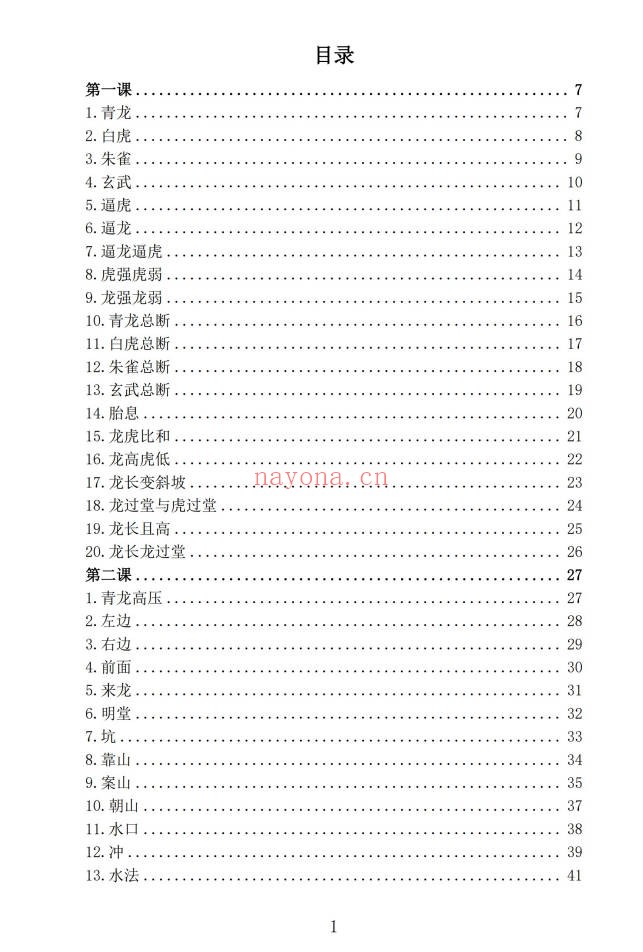
Lesson 1: The basic layout of the four beasts, the strength of the dragon and the tiger, fetal breath, the dragon-tiger battle, and the passing of the hall, etc.
Lesson 2: Lailong, Mingtang, Anchaoshan, Shuikou sand method, five-step field survey techniques
Lesson 3: The deep meanings of Mingtang, Xuanwu, Nishui, and the Four Beasts, identification of mountains and mountains in Yangzhai
Lesson 4: The layout of the four beasts in the indoor living room, bedroom, office, and divine position, and basic judgments on human population and wealth.
Lesson 5: Cutting off the head in response to personality, husband and wife, various internal organs injuries and strains
Lesson 6: Official luck and wealth, bloody villains, four haunted house patterns, and judgment of due dates and distances
Lesson 7: Classification of various types of good and bad houses, complete examination of rich houses, prison houses, and poor houses
Lesson 8: Evaluation of house types for foot injuries, miscarriages, financial losses, unhappy marriages, and prosperity in both people and wealth
Lesson 9: Judgments on the division of houses such as the fortune of the first-born and the second spouse, the fortune of men and women, the prosperity of both people and wealth, the strength of women and the weakness of men, etc.
Warm reminder: The pictures you see now are screenshots and compressed pictures, and the original data will be of higher resolution.
Screenshot of part of the content
Screenshot of part of the content
Screenshot of part of the content
Screenshot of part of the content
Screenshot of part of the content
Screenshot of part of the content
Screenshot of part of the content
Screenshot of part of the content
Screenshot of part of the content
Screenshot of part of the content
Abstract: This article provides an in-depth analysis of the 197-page PDF Introduction to Lin Laijin's Ancient Xing Jia Feng Shui, comprehensively expounds the core theory, practical methods and application skills of Xing Jia Feng Shui, and provides readers with a comprehensive and practical introductory guide to Feng Shui.
1. Overview of Xingjia Feng Shui
Xingjia Feng Shui, also known as Situation Feng Shui, is an important part of traditional Chinese Feng Shui. It takes topography, landforms, mountains and rivers as its research objects, and emphasizes the harmonious coexistence between humans and the natural environment. The 197-page PDF introduction to Lin Laijin's ancient Xing Jia Feng Shui introduces in detail the basic concepts, historical origins and development of Xing Jia Feng Shui, providing readers with a comprehensive theoretical framework.
Xingjia Feng Shui believes that topography has an important impact on people's life and fortune. Through the analysis of topography and landforms, people's destiny can be predicted and adjusted. In the 197-page PDF of Lin Laijin's Introduction to the Ancient Dharma Shape and Parent's Eye Techniques, the characteristics and Feng Shui significance of various landforms are introduced in detail, providing readers with practical Feng Shui knowledge.
In addition, Xingjia Feng Shui also emphasizes the rationality of Feng Shui layout. The 197-page PDF introduction of Lin Laijin's Ancient Fa-shaped Parent's Eye Technique introduces the principles and methods of Feng Shui layout in detail, including house site selection, interior layout, courtyard design, etc., providing readers with practical Feng Shui layout skills.
2. Core theory of Xingjia Feng Shui
The core theory of Xingjia Feng Shui mainly includes four elements: dragon, sand, water and direction. These four elements are elaborated in the 197-page PDF of Lin Laijin's Introduction to the Ancient Dharma Shape Parenting Method.
"Dragon" refers to the movement of mountains and is a core element in Feng Shui. The 197-page PDF introduction to Lin Laijin's Ancient Fa-shaped Parent's Eye Technique introduces in detail the trends and Feng Shui significance of various mountain ranges, providing readers with techniques for identifying and utilizing mountains.
"Sand" refers to the branches of mountains and is an auxiliary element in Feng Shui. In the 197-page PDF of Lin Laijin's Introduction to the Ancient Methods of Shaping and Feng Shui, the forms and Feng Shui significance of various sands are introduced in detail, providing readers with tips on identifying and utilizing sand.
"Water" refers to water bodies such as rivers and lakes, and is an important element in Feng Shui. The 197-page PDF of Lin Laijin's Introduction to the Ancient Methods of Shaping and Feng Shui provides readers with tips on identifying and utilizing water bodies.
"Xiang" refers to the direction of the house and is a key element in Feng Shui. In the 197-page PDF of Lin Laijin's Introduction to Ancient Feng Shui Methods for Parents, the Feng Shui significance of various orientations is introduced in detail and provides readers with tips on choosing the orientation of their houses.
3. Xingjia Feng Shui practice methods
The practical methods of Xingjia Feng Shui mainly include on-site inspection, Feng Shui layout and Feng Shui adjustment. The 197-page PDF of Lin Laijin’s Introduction to Ancient Dharma Shaping Methods for Parents provides a detailed introduction to the specifics of these practical methods.
Steps and Tips.
Field investigation is the basis of Xingjia Feng Shui practice. The 197-page PDF of Lin Laijin's Introduction to Ancient Fa-Shape Parenting Techniques introduces in detail the methods and techniques of fieldwork, including how to observe topography and landforms, how to identify Feng Shui elements, etc.
Feng Shui layout is the core of Xingjia Feng Shui. In the 197-page PDF of Lin Laijin's Introduction to Ancient Feng Shui Patterns, the principles and methods of Feng Shui layout are introduced in detail, including house site selection, interior layout, courtyard design, etc.
Feng Shui adjustment is a supplement to Xingjia Feng Shui. The 197-page PDF introduction of Lin Laijin's Ancient Dharma Shape Parenting Technique introduces in detail the methods and techniques of Feng Shui adjustment, including how to adjust the Feng Shui layout, how to resolve Feng Shui problems, etc.
4. Xingjia Feng Shui application skills
Xingjia Feng Shui application techniques mainly include Feng Shui layout, Feng Shui adjustment and Feng Shui resolution. The 197-page PDF of Lin Laijin's Introduction to the Ancient Methods and Eyes for Parents details the specific methods and cases of these application techniques.
Feng Shui layout is the core application of Xingjia Feng Shui. The 197-page PDF of Lin Laijin's Introduction to Ancient Feng Shui Feng Shui Layout Methods introduces in detail the methods and cases of Feng Shui layout, including how to layout a house, how to layout an office, etc.
Feng Shui adjustment is a complementary application of Xingjia Feng Shui. The 197-page PDF of Lin Laijin's Introduction to the Ancient Dharma Shape Parenting Technique introduces in detail the methods and cases of Feng Shui adjustment, including how to adjust the Feng Shui layout, how to resolve Feng Shui problems, etc.
Feng Shui resolution is the ultimate application of Xingjia Feng Shui. The 197-page PDF of Lin Laijin's Introduction to the Ancient Dharma Shape Parenting Technique introduces in detail the methods and cases of Feng Shui resolution, including how to resolve Feng Shui evil spirits, how to resolve Feng Shui problems, etc.
Summary:
This article comprehensively explains the core theory, practical methods and application skills of Xingjia Fengshui through an in-depth analysis of "Lin Laijin's Introduction to Xingjia Fengshui, a 197-page PDF", and provides readers with a book
Need all kinds of astrological tarot crystal magic information and professional consultation
Course Material Preview
The following original reference images show the supplied course material and its organization.

Recommended Study Method
Begin with the definitions and framework, continue through the lessons in order, and keep written notes for unfamiliar terms. Compare examples with the stated method instead of relying on isolated keywords or unsupported conclusions.
Digital Product Details
- Virtual and downloadable educational product
- No physical shipment
- Course access or download details are supplied after purchase
- Suitable for personal study and reference
Important Context
This material is offered for education, cultural study and personal reflection. It does not guarantee predictions, health outcomes, financial results or other specific outcomes, and it does not replace qualified medical, legal, psychological or financial advice.
Frequently Asked Questions
Is this a physical product?
No. This is a virtual downloadable course or study resource.
Is previous experience required?
The overview identifies the intended level. Beginners should start with terminology and foundational modules before moving to advanced examples.
Are results guaranteed?
No. The material is educational and should be interpreted responsibly.
Is consultation included?
No, unless the product description explicitly states otherwise.
Continue Your Learning
Explore related courses and reports from this specialist library:
- Chongyang Yang Gong Feng Shui Four-Classics Bundle: 90 Videos
- Meihua Wubankai Golden Lock Jade Pass Professional Training: 90 Videos
- Zhao Wanyou Residential Feng Shui Case Analysis: 82 Videos
- Teacher Zhulin Feng Shui Luopan Course: 24 Videos
- Zhang Zhengxi Xuan Kong Feng Shui Course: 75 Videos
- Si Yu Eight Mansions Feng Shui Case Course: 275 Videos
- Ni Ke Office Furniture Feng Shui Course: 52 Videos
- Teacher Gao Home Environment Feng Shui Course: 100 Videos
Reviews
There are no reviews yet.