A 21-video Star Heart Tarot class whose directory moves from tarot foundations and Major Arcana through suits to practical reading. Its named file list supports comparison between card lessons and applied examples.
Resource Overview
Star Heart Tarot Practical Reading Class: 21 Videos is a digital learning resource about Tarot Case Studies. The English description summarizes the available source listing; the underlying recordings or books are in Chinese. An English translation of the full material is not confirmed.
What You Will Learn
Use the sequence and preview material below to identify the course’s scope, terminology and teaching approach. Compare each card interpretation with the original lesson rather than treating a short listing as a complete transcript.
Course Contents
- Tarot foundations and Major Arcana
- Pentacles, Cups, Wands and Swords
- Reading methods after card study
- Practice material named in the directory
Original Course Images
Who This Resource Is For
This resource is for readers or learners who can use Chinese-language materials and want a named resource on Tarot Case Studies. Compare the stated scope and previews before ordering; a fixed level of prior experience is not assumed unless the source directory says so.
Learning Format and Digital Delivery
21 Chinese-language video lessons Virtual and downloadable; there is no physical shipment. Price: USD 9.00. A file link is not yet attached to this product. Please contact Karma Kismet before ordering to confirm delivery arrangements; immediate automated access is not promised.
Frequently Asked Questions
Is the full material in English?
No English edition, recording or subtitle track is confirmed. The source material is Chinese-language.
Is a personal consultation included?
No individual consultation is listed with this resource.
Does this resource guarantee an outcome?
No. It is for educational and cultural study, not a guaranteed result or substitute for professional advice.
Editorial Note
Karma Kismet translated and organized the course facts and original previews for English readers. Lesson counts and formats follow the available source listing; unspecified contents, certificates and instructor credentials are not asserted.
Related Courses
- Long Nu Tarot Spreads and Reading Examples: 15 Videos
- Green Tarot Spread Methods: 10 Video Lessons
- Thoth Tarot Practice Collection: 23 Videos and Three E-Books
- Mindful Tarot Advanced Camp: Relationship and Career Spreads
- Latte Relationship Tarot Special Course
- Chen Qingqing Tarot Consultation Training: 122 Videos
- Gui Gui Tarot Training Camp, Fifth Cohort: 61 Videos
- Ya Ta 2026 Lenormand System Course: Nine Videos
- Ju Zi Complete Lenormand Course: 19 Videos
- Osho Zen Tarot Card Practice: 20 Videos
- Oracle Card Growth Series: 19 Videos
Browse Tarot Case Studies and read digital delivery information.
Reading context and study practice
The Star Heart directory names twenty-one recordings, beginning with foundations and Major Arcana, moving through suits, and later addressing practice, court cards, elements, question reformulation, time flow, choices, relationships, and a concluding structural subject. This provides a concrete map for comparing vocabulary lessons with applied reading.
Foundations and Major Arcana
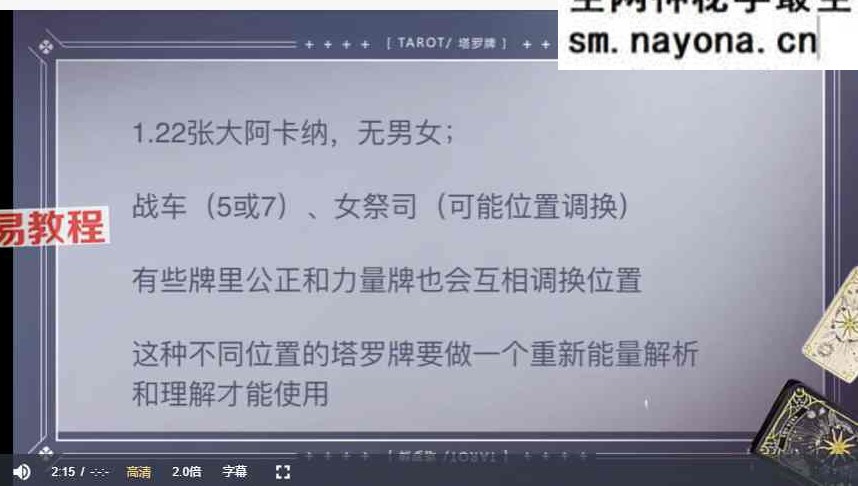
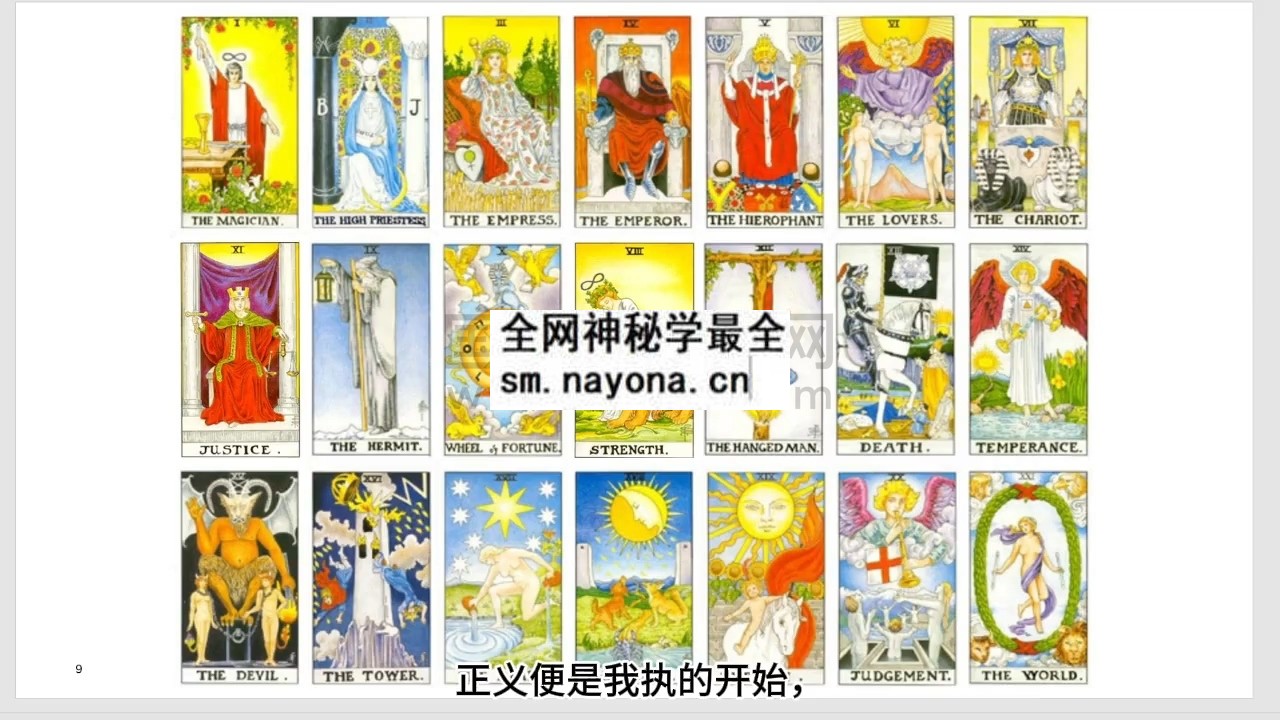
The first entry asks what Tarot is, followed by several Major Arcana recordings. Use the opening material to identify the terminology and conventions the course will use. The repeated Major Arcana titles do not specify every card discussed in each file, so create a verified index as you watch. Preserve the distinction between a general category and an individual card. If the teacher connects cards through a narrative, record the narrative as symbolism rather than a compulsory life sequence. This gives the later practice material a clear vocabulary base without pretending the file list is a full transcript.
Pentacles in the directory
Two recordings name the Pentacles suit before Cups, Wands, and Swords. Keep the suit’s broad themes separate from factual claims about wealth. In a card lesson, identify the specific card, the imagery discussed, and the example question. A material theme may organize reflection about resources or practical matters, but it cannot determine income, debt, or investment suitability. When translating the source’s suit terminology, use a consistent English name and retain the original reference where needed. This keeps ordinary tarot suit vocabulary from being confused with promotional money language or promises of financial benefit.
Cups and Wands comparisons
The directory provides two recordings for Cups and two for Wands. Compare them through the same note structure: suit theme, card-specific meaning, contextual qualification, and example use. Do not reduce the comparison to emotional versus active personality labels. A suit does not identify a person’s fixed nature, and a spread position can change its narrative role. If the material connects a suit to an element, preserve that stated relationship and its explanation. The comparison can help you understand the course’s organization while leaving claims about real relationships, work, or future outcomes outside the cards’ evidential scope.
Swords and interpretive restraint
Two Swords recordings follow the other suits. A challenging card image can tempt a learner to make a dramatic conclusion. Instead, record the taught theme and its context. If an example discusses conflict, distinguish known disagreement from symbolic language about it. Avoid asserting that an absent person is hostile or that a difficult event is inevitable. The educational task is to understand how the course interprets the suit and individual cards. Its value does not depend on fear-inducing claims, therapeutic promises, or the assumption that every difficult image must have a literal real-world counterpart.
Advanced knowledge and practice
The fourteenth directory entry names advanced knowledge, and the next identifies Major Arcana practice. These titles support a distinction between concept review and application, but they do not establish every topic covered inside the files. Use the actual recording to identify the prerequisite ideas and the practice question. Compare the exercise with the earlier card explanation and note which parts remain constant. If the reading introduces a new rule, write it separately. This keeps later complexity from rewriting basic meanings silently and makes your study notes more reliable than a summary organized only around the final interpretation.
Court cards and four elements
The sixteenth file explicitly combines court cards with the four elements. Learn the relationship as the course defines it rather than assuming a correspondence from another deck or school. A court-card role should not automatically be assigned to a real person based on gender, age, or occupation. If the example uses it as a perspective or behavior theme, keep that convention visible. A diagram or table in your own notebook can organize the categories without claiming that they are psychological measurements. The lesson’s symbolic framework can be studied carefully while personal identity remains grounded in the person’s own experience.
Question reformulation and spreads
The seventeenth entry names transforming questions and applying spreads. This is a useful point to review the wording of a question before interpreting cards. A question about what another person secretly feels can be reframed toward what is known, what can be communicated, or what choices are available to the questioner. The cards do not supply verified private information. Record the reformulation demonstrated by the course and the reason it changes the reading’s scope. This shows how question design contributes to interpretation rather than treating a spread as a tool that can answer any claim with equal reliability.
Time flow and choices
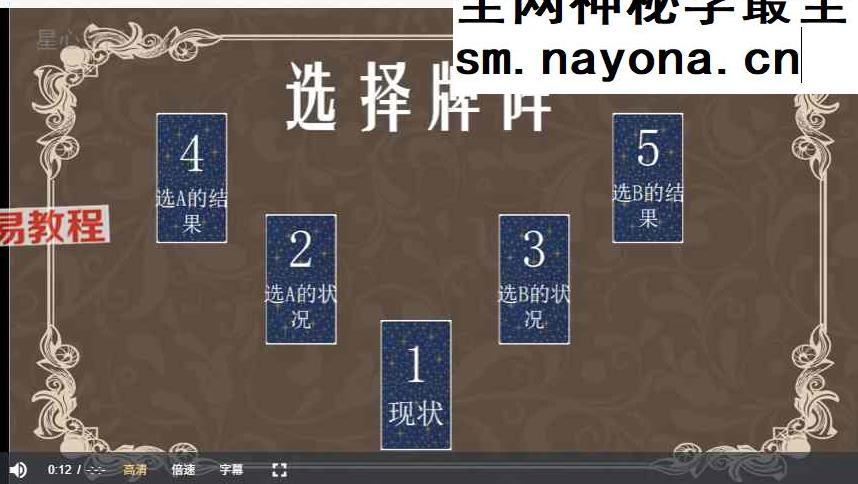
The next two files identify time-flow and choice spreads. Verify their layouts and position meanings in the recordings before drawing them. Time labels should remain symbolic frames, and a choice layout should preserve the person’s agency. Neither establishes a factual deadline or an objectively correct decision. A study comparison can ask how the positions organize sequence or alternatives and what each card contributes. Keep practical facts such as cost, feasibility, and responsibilities separate from the symbolism. This makes the exercise useful for understanding method without turning it into a directive about career, relationships, or financial action.
Relationship spread study
The twentieth recording names a relationship spread. Record whose perspectives the layout claims to represent and what limits the teacher states. Avoid presenting a card as proof of an absent person’s motives or feelings. If the spread prompts reflection about communication or expectations, those matters still require direct discussion and observed behavior. A useful case note distinguishes the questioner’s known account from the symbolic narrative. This respects privacy and prevents relationship interpretation from becoming a fixed verdict about a couple. The lesson can teach spread structure without guaranteeing compatibility, reconciliation, attraction, or any other personal outcome.
Core structure and final review
The twenty-first entry names a core structure topic. Use the concluding material to review how foundations, cards, elements, question design, and spreads fit together in this course. A final notebook entry can trace one verified example from its question through its positions to its interpretation, noting any unresolved rule. Do not assume that completing twenty-one Chinese-language recordings supplies an English translation, a professional credential, personal feedback, or predictive competence. The practical learning outcome is a clearer account of the course’s named structure and the ability to distinguish its symbolic reasoning from factual claims requiring independent information.