A 20-video introductory and intermediate series on Osho Zen cards. The directory names origin, card-system structure, four-element cards and guided interpretation exercises; it is an oracle-card study resource rather than conventional Tarot instruction.
Resource Overview
Osho Zen Tarot Card Practice: 20 Videos is a digital learning resource about Oracle Card Studies. The English description summarizes the available source listing; the underlying recordings or books are in Chinese. An English translation of the full material is not confirmed.
What You Will Learn
Use the sequence and preview material below to identify the course’s scope, terminology and teaching approach. Compare each card interpretation with the original lesson rather than treating a short listing as a complete transcript.
Course Contents
- Origins and structure of the named deck
- Major and four-element card groups
- Reflective reading exercises
- Distinguishing this deck from standard Tarot
Original Course Images
Who This Resource Is For
This resource is for readers or learners who can use Chinese-language materials and want a named resource on Oracle Card Studies. Compare the stated scope and previews before ordering; a fixed level of prior experience is not assumed unless the source directory says so.
Learning Format and Digital Delivery
20 Chinese-language video lessons Virtual and downloadable; there is no physical shipment. Price: USD 9.00. A file link is not yet attached to this product. Please contact Karma Kismet before ordering to confirm delivery arrangements; immediate automated access is not promised.
Frequently Asked Questions
Is the full material in English?
No English edition, recording or subtitle track is confirmed. The source material is Chinese-language.
Is a personal consultation included?
No individual consultation is listed with this resource.
Does this resource guarantee an outcome?
No. It is for educational and cultural study, not a guaranteed result or substitute for professional advice.
Editorial Note
Karma Kismet translated and organized the course facts and original previews for English readers. Lesson counts and formats follow the available source listing; unspecified contents, certificates and instructor credentials are not asserted.
Related Courses
- Long Nu Tarot Spreads and Reading Examples: 15 Videos
- Green Tarot Spread Methods: 10 Video Lessons
- Star Heart Tarot Practical Reading Class: 21 Videos
- Thoth Tarot Practice Collection: 23 Videos and Three E-Books
- Mindful Tarot Advanced Camp: Relationship and Career Spreads
- Latte Relationship Tarot Special Course
- Chen Qingqing Tarot Consultation Training: 122 Videos
- Gui Gui Tarot Training Camp, Fifth Cohort: 61 Videos
- Ya Ta 2026 Lenormand System Course: Nine Videos
- Ju Zi Complete Lenormand Course: 19 Videos
- Oracle Card Growth Series: 19 Videos
Browse Oracle Card Studies and read digital delivery information.
A Directory Centered on Osho Zen Card Practice
The twenty video labels give this collection a clearly identifiable progression. The opening lesson addresses the origin of Osho Zen cards and a mind, body, and spirit framing. Two files then cover an overall energy self scan, separating theory from practice. Three more examine the overall card structure, including major and minor cards, four element cards, and exploration techniques. The directory then names four groups of minor card symbolism: rainbow, emotions, action, and mind. These are the listing’s own topic labels, which should be understood within the approach used in the recordings.
Later files name shuffling, drawing, and an opening ritual; interpretation techniques with practice; a one question, one card, one answer exercise; intuition and story therapy; two card problem exploration; and three different three card approaches. Those three card labels concern present energy, a focal problem, and a timeline. The final two files address a question about how someone else feels and card meditation. This outline distinguishes the resource from a conventional Tarot meanings course without implying that its spiritual or therapeutic language describes verified effects.
Learning the Deck’s Own Structure
Start with the structural recordings before borrowing vocabulary from another card system. Similar terms such as major and minor can encourage an assumption that familiar rules apply unchanged. The course’s own grouping should be recorded on its own terms. In a notebook, write the Chinese group label, your English translation, and the explanation given in the relevant video. If you already use another deck, keep comparisons on a separate page. That way, a useful analogy does not become an unexamined substitute for the material actually being studied.
The four minor card symbolism lessons offer a natural organization for review. For each group, identify recurring visual themes in the cards shown and note how the teacher relates them to interpretation. Keep an image observation distinct from an emotional response. For example, a color or gesture can be described directly, while a feeling of tension or openness is your response to it. Both can be useful in a journal, but they are different kinds of information. The distinction helps you explain a reading without claiming that your experience is shared by everyone.
Understanding the Self Scan as an Interpretive Exercise
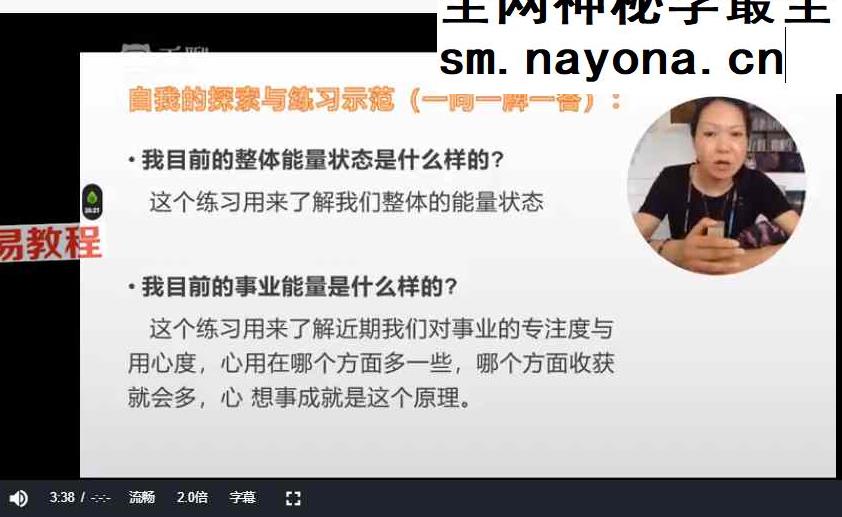
The self scan appears in two files, one labeled theory and one practice. Study the theory first to understand the terms being used, then compare the practice recording with that explanation. The word energy belongs to the course’s interpretive vocabulary. It should not be translated automatically into a measurable physical condition or a clinical assessment. A learner can use a card exercise to reflect on thoughts, emotions, or a current concern while keeping that personal reflection separate from claims about health or an invisible process.
A useful independent journal entry can record what you noticed before drawing a card, what the image brought to mind, and what changed in your description afterward. This makes the exercise more transparent than simply writing that a card revealed your condition. If the image suggests a question, phrase it as a question rather than as a diagnosis. You might examine which part of a situation feels unresolved or which action you have been avoiding. These are examples of personal reflection, not stated lesson instructions or evidence that the deck detects hidden facts.
Moving From One Card to Several Cards
The one question, one card, one answer filename identifies a compact practice format. It can be studied by observing how the question is framed and how the teacher keeps the answer connected to it. An independent learner can test clarity by writing the question before looking at a card and resisting the urge to change it afterward. If several interpretations seem possible, record them as alternatives. The purpose of a short format is not to force certainty, but to see whether an explanation remains focused when fewer images are available.
The two card lesson and three card lessons invite comparison of how additional positions change an interpretation. Their filenames identify different purposes, so they should not be collapsed into a single universal spread. Note which role belongs to each position and whether the teacher provides a sequence for reading them. A timeline layout, for example, should be recorded as the interpretive arrangement shown in the lesson, rather than treated as proof that future events are already determined. The same care applies to the phrase problem solving in the source title.
Intuition, Story, and the Reader’s Contribution
The directory includes a lesson combining intuition with story therapy language. The label establishes a topic, not a professional qualification or a clinical treatment protocol. When viewing it, pay attention to how a story is generated from images and how much of that story comes from the reader’s associations. A card image can prompt a narrative, but the narrative is not automatically a factual account of a person’s life. Keeping the reader’s contribution visible is a useful habit for both personal study and conversations with someone who chooses to participate.
One independent exercise is to write two different stories from the same image, then identify the details that support each story. This can show how flexible an interpretation is and why an appealing narrative should not be mistaken for proof. If you share a story with another person, invite them to accept, modify, or reject it. Their own account deserves priority over the reader’s symbolic explanation. The exercise is best used as a conversation prompt, with room for disagreement, rather than a way to establish hidden motives or memories.
Other People’s Feelings and Personal Boundaries
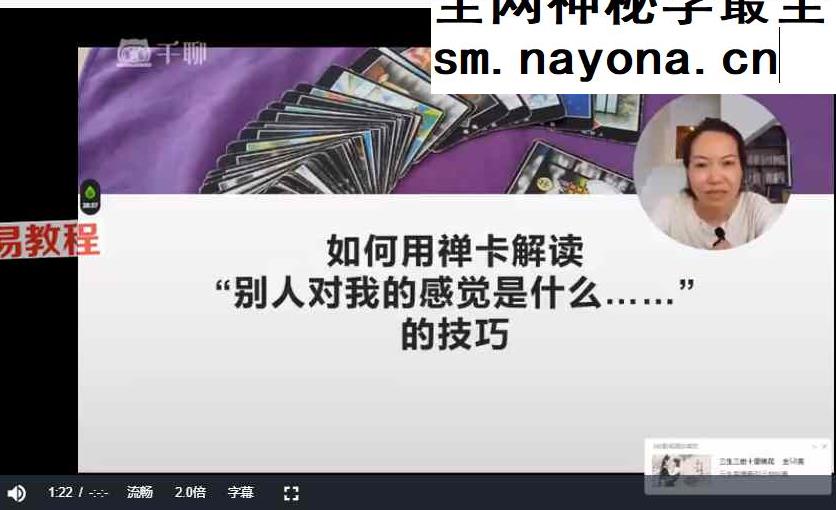
The nineteenth filename explicitly concerns how to interpret a question about another person’s feelings. This is a meaningful part of the listed scope, but a card reading cannot verify someone else’s internal experience. When studying that lesson, distinguish the question being asked from the certainty of any proposed answer. A responsible independent adaptation might focus on what is known about an interaction, what remains uncertain, and what communication is available. It should not replace direct conversation with an assertion that a symbolic image has disclosed a private emotional truth.
Meditation and Review at Your Own Pace
The final file is labeled card meditation therapy in the source. For English readers, it is more careful to approach that title as a meditation related card lesson rather than a promise of treatment. You can note the actual steps shown and decide whether the exercise suits your own reflective practice. Neither the title nor the introductory and intermediate labels confirm health benefits, certification, or a required level of prior training. The directory gives a study route through structure, symbolism, and exercises; your notes can preserve that route without repeating stronger promotional claims.