
A nine-part Li Linhao breathing-practice course. The listing focuses on breathing and self-observation; claims about health outcomes are not verified by the course title.
Resource Overview
Li Linhao Breathing and Relaxation Practice: Nine Videos is a digital learning resource about Breathing & Relaxation Studies. The English description summarizes the available source listing; the underlying recordings or books are in Chinese. An English translation of the full material is not confirmed.
What You Will Learn
Use the sequence and preview material below to identify the course’s scope, terminology and teaching approach. Check each topic against the original lesson rather than treating a short listing as a complete transcript.
Course Contents
- Breathing-practice theme
- Nine-part video listing
- Self-observation and safety limits
Original Course Images

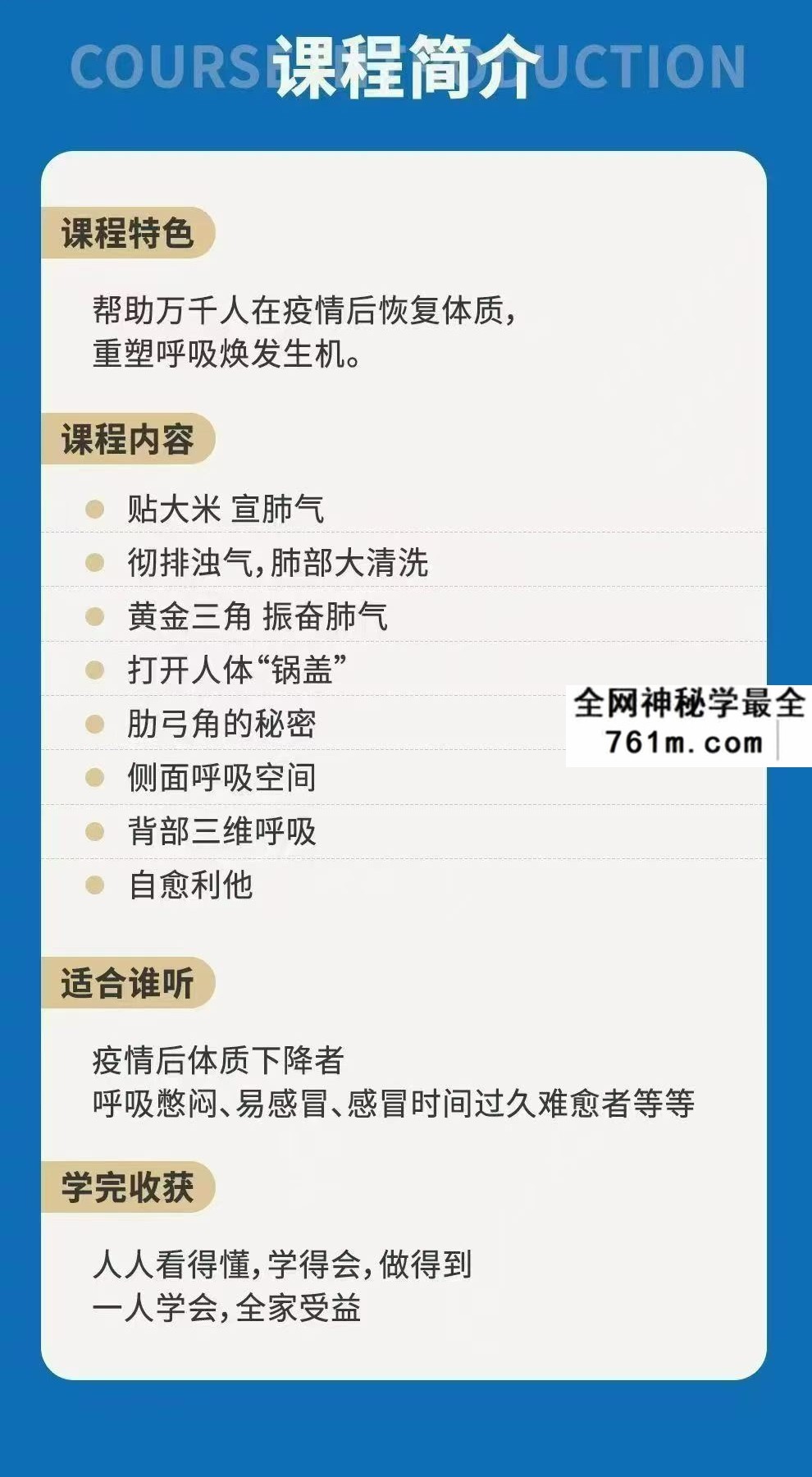
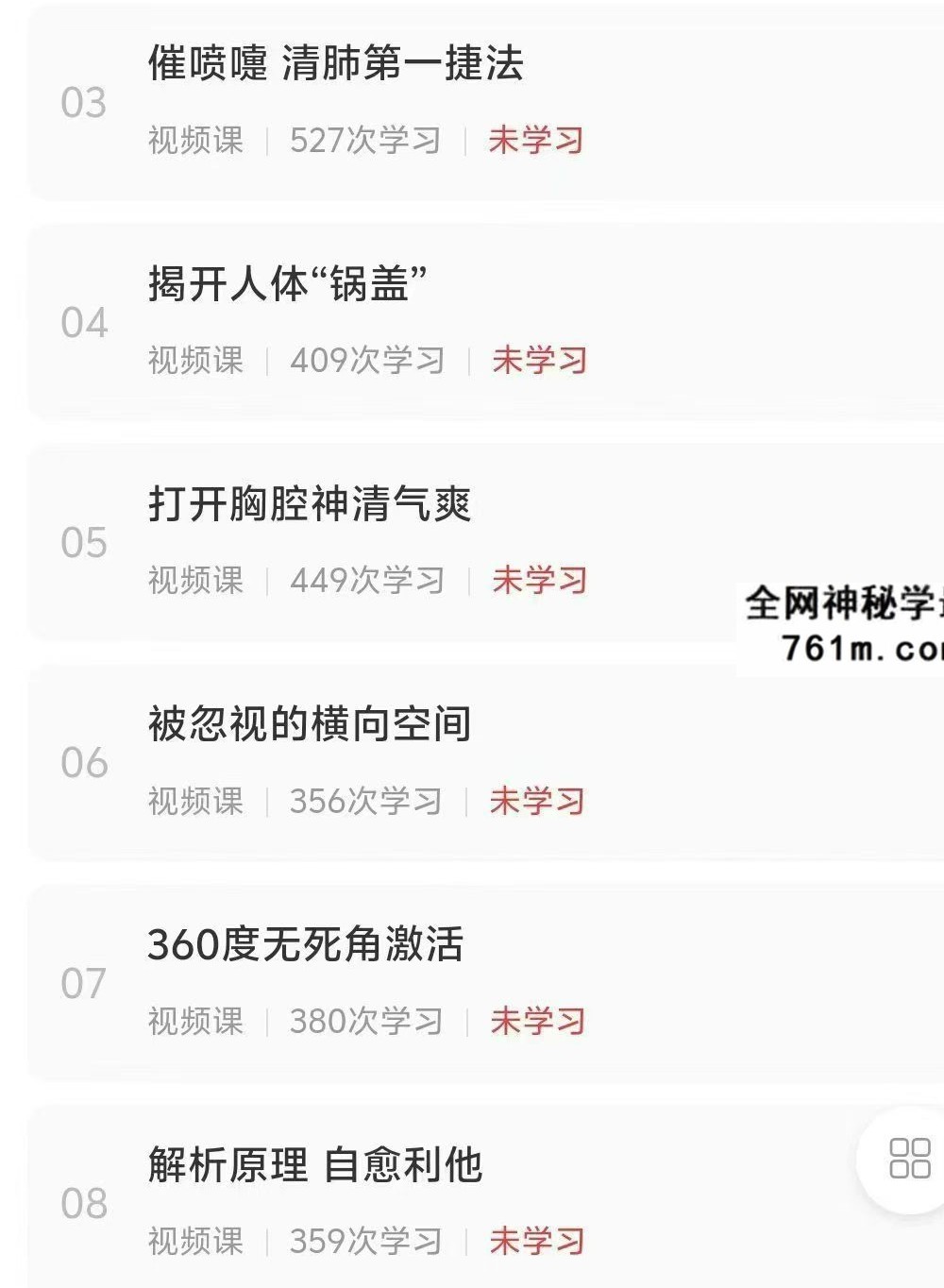
Who This Resource Is For
This resource is for readers or learners who can use Chinese-language materials and want a named resource on Breathing & Relaxation Studies. Compare the stated scope and previews before ordering; a fixed level of prior experience is not assumed unless the source directory says so.
Learning Format and Digital Delivery
Nine Chinese-language video lessons Virtual and downloadable; there is no physical shipment. Price: USD 9.00. A file link is not yet attached to this product. Please contact Karma Kismet before ordering to confirm delivery arrangements; immediate automated access is not promised.
Frequently Asked Questions
Is the full material in English?
No English edition, recording or subtitle track is confirmed. The source material is Chinese-language.
Is a personal consultation included?
No individual consultation is listed with this resource.
Does this resource guarantee an outcome?
No. It is for educational and cultural study, not a guaranteed result or substitute for professional advice.
Editorial Note
Karma Kismet translated and organized the course facts and original previews for English readers. Lesson counts and formats follow the available source listing; unspecified contents, certificates and instructor credentials are not asserted.
Related Courses
- Guo Heren Taishang Kunlun Contemplation: Four Videos
- Awakening Through Contemplation: 305 Video Collection
- Yingxin Seven Chakras: 22 Lessons and Audio Practices
- Seven Chakras in Depth: Ten Video Lessons
- Violet Flame Reiki: Six-Part Video Course
- Wuzi Studio Western Reiki: 15 Videos
- Energy Reflection Cards: 23 Video Lessons
- Li Yan Inner-Energy Reflection: Five Videos
- Casey Akashic Reading Course 2025: 45 Videos
- Guo Xuhui Akashic Records Reading: 22 Lessons
- Zhan Tangning 21-Day Breathing Meditation: 30 Videos
Browse Breathing & Relaxation Studies and read digital delivery information.
A Practical Reading Guide to the Nine Video Listing
Li Linhao Breathing and Relaxation Practice is identified in the source as a nine part video resource, with reference code Y2609028. The original introduction connects breathing with personal observation and uses spiritual language about body and mind. It does not supply a verified lesson directory, a clinical study, or a detailed account of the breathing patterns demonstrated. The confirmed scope is relatively simple: a named Chinese language video collection centered on breathing practice, to be evaluated through its actual instructions and available previews.
The short format may appeal to someone who wants to examine one resource without beginning a large library of recordings. Nine videos, however, do not reveal the total viewing time or demands of the exercises. One recording might combine explanation and demonstration, while another might have a different structure; this cannot be established from the title. Before deciding how to use the collection, distinguish what the listing confirms from what you still need to learn from the provider or recordings themselves.
Observation before changing a breathing pattern
For study purposes, separate watching a demonstration from performing it. First observe what the speaker asks a participant to do, how the instructions are phrased, and whether limits are explained. Note whether a passage concerns ordinary awareness of breathing, a deliberate rhythm, movement, vocalization, or an imagined image. This classification does not require copying the exercise. It gives you a more precise account than describing every breathing related passage as relaxation, and it helps identify instructions that need clarification.
Pay attention to words describing effort. An instruction to notice the breath differs from an instruction to force it, hold it, or change its speed. The supplied listing does not identify which appear, so this page does not prescribe a technique. If an instruction is unclear in Chinese or in translation, leave it unpracticed until its meaning is clear. Guessing at the timing or intensity of a physical exercise is a poor substitute for understanding the demonstration.
The distinction also applies to posture. A video can show where someone places their hands or how they sit, but it may not explain what adjustments are appropriate for another viewer. Describe the visible posture in your notes without assuming it is mandatory or suitable for everyone. A comfortable study setup makes pausing easier. Treat stopping, replaying an explanation, or choosing to watch only as ordinary options rather than signs that you have failed to follow the material.
Building a useful viewing record
Create nine numbered entries corresponding to the files actually received. Retain their original names and add running times only after checking them. Under each entry, describe the main subject in your own words. Then distinguish three kinds of information: the speaker’s explanation, the demonstrated action, and your response as a viewer. These categories prevent a personal impression such as feeling calmer on one occasion from becoming a claim that the recording produces the same effect for everyone.
A timestamp is useful when an instruction has several parts. Instead of copying a whole paragraph, note the beginning of the explanation and summarize the point needing clarification. Later, return to that passage and listen again. If two translations of a term seem possible, preserve both until the surrounding discussion resolves the ambiguity. This is often more accurate than choosing the most familiar English wellness expression, which may carry assumptions absent from the Chinese wording.
Your record can include ordinary circumstances that affect attention: whether you were tired, distracted, rushed, or interrupted. Such details help avoid attributing every change in experience to the recording. They are not a clinical measurement and need not become an elaborate tracking routine. A sentence or two is enough. The purpose is to keep your account proportionate, so a difficult session does not become a judgment about your character and an enjoyable one does not become a sweeping promise.
Understanding the language of body and mind
The source places this collection among spirituality materials and uses phrases connecting bodily experience with inner state. Those phrases can be studied as part of its vocabulary. They should not automatically be translated into medical claims about organs, hormones, immunity, or disease. If a speaker uses energy as an experiential or spiritual term, record that use accurately. Do not add a biological explanation merely because an English expression sounds scientific or familiar from another context.
Relaxation is an experience people may describe differently. One person may mean less muscular tension, another fewer distracting thoughts, and another simply time away from a demanding task. In your notes, describe the specific observation rather than assuming one word captures everything. You might write that the speaker asked for attention to a sensation, or that you found the explanation easy to follow. These modest descriptions are clearer than saying that the whole body or mind has been reset.
Breathing content can be emotionally evocative when paired with imagery or personal reflection. There is no need to interpret every response as a hidden message or necessary stage of progress. If a passage is uncomfortable, you can stop and return to ordinary activity. The resource is presented for educational exploration; its title is not evidence that it treats an individual health concern. Questions about a medical condition or suitability of deliberate breathing exercises belong with an appropriately qualified professional.
Choosing a modest study objective
A useful objective might be to understand the vocabulary and structure of Li Linhao’s presentation. Another could be comparing how explanations distinguish attention, physical action, and interpretation. Either can be pursued without expecting a dramatic personal result. After viewing, write an account of which instructions were clear, which required replaying, and which remained unresolved. This produces a concrete basis for deciding whether the collection fits your interests, rather than relying entirely on the promises made in a promotional introduction.
When comparing this resource with another breathing course, compare documented features. Look at available lesson names, language, demonstration style, and delivery format. Avoid assuming a longer course is deeper or a shorter one automatically easier. Here the nine video count is a useful organizational fact, while detailed content remains something to verify. The source reference code may help the provider identify the exact collection if similarly titled versions exist. Keep that code with your inventory rather than replacing it with an informal nickname.
Finally, confirm access using the arrangements on the original product page. An English description does not mean the videos have English narration or subtitles, and the listing does not establish personal coaching. Once those points are clear, approach the resource at a pace that supports understanding. Careful observation, accurate notes, and willingness to leave unsupported claims unresolved can make study purposeful. You do not need to invent benefits or a complete lesson sequence where the available information offers only a limited overview.