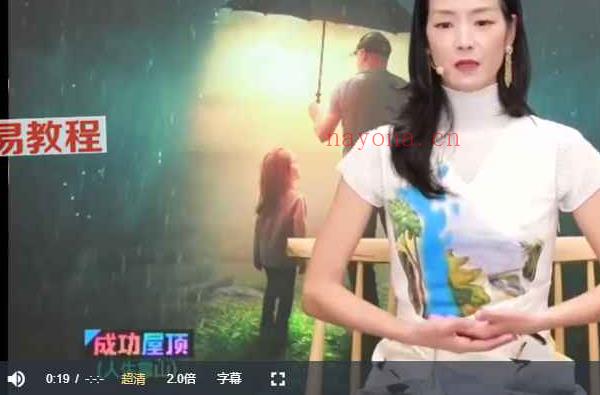
A seven-chakra study collection listed as 22 items. The visible directory includes chakra lessons, guided audio and background-music tracks, so not every item is a video lesson.
Resource Overview
Yingxin Seven Chakras: 22 Lessons and Audio Practices is a digital learning resource about Chakra Studies. The English description summarizes the available source listing; the underlying recordings or books are in Chinese. An English translation of the full material is not confirmed.
What You Will Learn
Use the sequence and preview material below to identify the course’s scope, terminology and teaching approach. Check each topic against the original lesson rather than treating a short listing as a complete transcript.
Course Contents
- Seven-chakra framework
- Guided breathing and reflection audio
- Distinguishing video lessons from audio tracks
Original Course Images


Who This Resource Is For
This resource is for readers or learners who can use Chinese-language materials and want a named resource on Chakra Studies. Compare the stated scope and previews before ordering; a fixed level of prior experience is not assumed unless the source directory says so.
Learning Format and Digital Delivery
22 listed Chinese-language lessons and audio items Virtual and downloadable; there is no physical shipment. Price: USD 9.00. A file link is not yet attached to this product. Please contact Karma Kismet before ordering to confirm delivery arrangements; immediate automated access is not promised.
Frequently Asked Questions
Is the full material in English?
No English edition, recording or subtitle track is confirmed. The source material is Chinese-language.
Is a personal consultation included?
No individual consultation is listed with this resource.
Does this resource guarantee an outcome?
No. It is for educational and cultural study, not a guaranteed result or substitute for professional advice.
Editorial Note
Karma Kismet translated and organized the course facts and original previews for English readers. Lesson counts and formats follow the available source listing; unspecified contents, certificates and instructor credentials are not asserted.
Related Courses
- Guo Heren Taishang Kunlun Contemplation: Four Videos
- Awakening Through Contemplation: 305 Video Collection
- Seven Chakras in Depth: Ten Video Lessons
- Violet Flame Reiki: Six-Part Video Course
- Wuzi Studio Western Reiki: 15 Videos
- Energy Reflection Cards: 23 Video Lessons
- Li Yan Inner-Energy Reflection: Five Videos
- Casey Akashic Reading Course 2025: 45 Videos
- Guo Xuhui Akashic Records Reading: 22 Lessons
- Li Linhao Breathing and Relaxation Practice: Nine Videos
- Zhan Tangning 21-Day Breathing Meditation: 30 Videos
Browse Chakra Studies and read digital delivery information.
Twenty-two items with different roles
The Yingxin collection is presented through a twenty-two-item directory that includes chakra video discussions, guided audio practices and background music. The visible list therefore should not be described as twenty-two separate video lessons. The seven-chakra model is a traditional and symbolic framework in this resource, not a verified anatomical map or a diagnostic test. A useful study plan distinguishes the explanation of a model from a guided practice and distinguishes both from an unguided music track.
Separate the media categories
Create an inventory with one field for filename and one for media type. MP4 and MP3 labels can help identify the listed formats, but check the actual content before assigning a purpose. A music track may be named after a chakra without explaining its concepts. A guided practice may use vocabulary introduced in a video.
Record those relationships only when the files make them clear. The directory names some tracks as pure background music with no guidance, so do not count them as spoken lessons or promise instructions they do not contain. A mixed-format index can show which item defines a term, which guides an activity and which provides an audio setting. This gives the twenty-two-item presentation a precise structure and helps a learner choose what to inspect without inventing a uniform sequence for every file.
Read the chakra model as a framework
Begin with how the video discussion defines a chakra in its own terms. Keep the original Chinese label beside the English gloss and note any qualities assigned to it. A symbolic location or association should not be translated automatically into a physical organ or a medically established mechanism.
For a model diagram, include only the relationships actually supplied by the resource. If a familiar color or meaning is absent, leave it absent. A standard chart from elsewhere may use different conventions. Your diagram should identify the teaching’s framework, not imply that every chakra tradition uses one identical map. The educational task is to understand how the model organizes experience and meaning. It does not require diagnosing a blockage, attributing a symptom to a chakra or claiming that the diagram reveals a hidden condition in yourself or another person.
Root-theme discussion and audio
The visible directory begins with a root-chakra discussion, a breathing-and-chanting practice and an unguided background track. These are different roles in the collection. Inspect the discussion for its definitions and the guided recording for its actual instructions. The music track’s label does not establish that it teaches the same content.
A cross-reference note can identify a term from the video and where the audio uses it. If the audio does not explain the term, do not infer an explanation from the mood of the music. You may value a track as an accompaniment without treating it as a lesson or as a cause of a physiological effect. Keep any personal response separate from the source’s model. A feeling of calm or unease is an experience to describe, not proof that a named chakra has opened, balanced or become blocked.
Sacral-theme imagery and sound
The list includes a sacral-chakra discussion alongside a light-sphere meditation, a VAM seed-sound item, waterfall imagery and music without guidance. Study each according to what it actually presents. A named sound is part of the teaching’s vocabulary; its presence does not establish a biological mechanism or a guaranteed effect.
For an imagery note, identify the image, the instructions surrounding it and the meaning assigned by the source. Keep your own association in a separate field. If the waterfall theme is described through emotional-release language, attribute that description rather than promising release. An imagery exercise may be meaningful without producing a dramatic response. Participation should remain optional, and a learner can analyze the recording textually. This preserves the resource’s specific themes while avoiding the assumption that every sound, image and track has the same function.
Solar-theme discussion and relaxation
A solar-chakra discussion and a whole-body relaxation practice appear in the visible directory. Ask how the discussion relates to the practice rather than assuming that their proximity establishes a causal connection. A folder can group items without explaining their relationship.
If you inspect a relaxation instruction, record what it asks the learner to notice and how it describes the result. Descriptive attention is different from a claim of bodily restructuring or treatment. The source’s expressive language should remain source language where it makes such claims. A personal log can use ordinary terms such as comfort, distraction or tension without assigning a chakra cause. This helps a reader understand the practice while keeping subjective observation separate from diagnosis. The educational value lies in a clear account of the instruction, its symbolic explanation and the limits of what the recording establishes.
Guided and unguided listening
Guided audio supplies words or a sequence; unguided music does not necessarily do so. That difference changes what a learner can expect from an item. Do not describe a music track as a complete explanation because it shares a topic label with a lesson.
For a listening note, record whether there are instructions, narration, chanting or only music. Then state the role you choose to give the track in your own study. Your use is an editorial or personal choice unless the source specifies it. Keep volume comfortable and do not assume that more intense listening produces better learning. A reader who does not wish to participate in a practice can still inspect its wording or compare its vocabulary with the video discussion. This makes the mixed collection accessible without turning every item into a required experience or a test of commitment.
Reflection without diagnosis
The chakra framework can be used as a source of reflective questions if those questions remain open and attributed. A theme about expression, for example, could prompt a question about communication without establishing a chakra condition. Use the theme actually discussed in the material rather than importing a complete personality system.
Write the reflective question, an ordinary example from your experience and one practical action you might consider. Keep that record distinct from a factual assessment of health or another person’s character. A symbolic model does not prove that a difficulty has one hidden energetic cause. If the source uses healing language, retain it as the source’s claim rather than an editorial guarantee. This distinction allows personal meaning to be explored while keeping causal and medical assertions beyond the scope of what the product listing supports.
A mixed-format study summary
Finish with a summary of one verified video-and-audio relationship, one difference between guided and unguided items and one unresolved question. Include actual source locations. The summary should make the twenty-two-item structure clearer rather than inflate it into twenty-two identical lessons.
A careful account can describe the seven-chakra model, named imagery and audio formats as cultural and contemplative study. It need not claim an English edition, a personal attunement, a qualification or a health outcome that the listing does not establish. Your strongest result may simply be understanding which file explains a concept and which invites an optional practice. That is a practical and reviewable learning outcome grounded in the specific directory.