A 23-video course on interpretive energy cards. The file list includes card structure, four-element vocabulary and example spreads; it is a reflective card-practice resource.
Resource Overview
Energy Reflection Cards: 23 Video Lessons is a digital learning resource about Energy Practice Studies. The English description summarizes the available source listing; the underlying recordings or books are in Chinese. An English translation of the full material is not confirmed.
What You Will Learn
Use the sequence and preview material below to identify the course’s scope, terminology and teaching approach. Check each topic against the original lesson rather than treating a short listing as a complete transcript.
Course Contents
- Card framework and four elements
- Example spreads
- Reflective interpretation limits
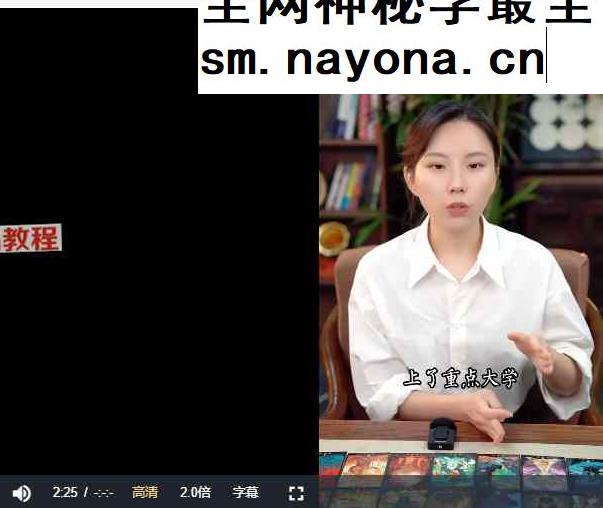
Original Course Images
Who This Resource Is For
This resource is for readers or learners who can use Chinese-language materials and want a named resource on Energy Practice Studies. Compare the stated scope and previews before ordering; a fixed level of prior experience is not assumed unless the source directory says so.
Learning Format and Digital Delivery
23 Chinese-language videos Virtual and downloadable; there is no physical shipment. Price: USD 9.00. A file link is not yet attached to this product. Please contact Karma Kismet before ordering to confirm delivery arrangements; immediate automated access is not promised.
Frequently Asked Questions
Is the full material in English?
No English edition, recording or subtitle track is confirmed. The source material is Chinese-language.
Is a personal consultation included?
No individual consultation is listed with this resource.
Does this resource guarantee an outcome?
No. It is for educational and cultural study, not a guaranteed result or substitute for professional advice.
Editorial Note
Karma Kismet translated and organized the course facts and original previews for English readers. Lesson counts and formats follow the available source listing; unspecified contents, certificates and instructor credentials are not asserted.
Related Courses
- Guo Heren Taishang Kunlun Contemplation: Four Videos
- Awakening Through Contemplation: 305 Video Collection
- Yingxin Seven Chakras: 22 Lessons and Audio Practices
- Seven Chakras in Depth: Ten Video Lessons
- Violet Flame Reiki: Six-Part Video Course
- Wuzi Studio Western Reiki: 15 Videos
- Li Yan Inner-Energy Reflection: Five Videos
- Casey Akashic Reading Course 2025: 45 Videos
- Guo Xuhui Akashic Records Reading: 22 Lessons
- Li Linhao Breathing and Relaxation Practice: Nine Videos
- Zhan Tangning 21-Day Breathing Meditation: 30 Videos
Browse Energy Practice Studies and read digital delivery information.
Cards as a reflective interpretation framework
The twenty-three-item directory names personality-energy concepts, Yin-and-Yang applications, four-element vocabulary, card levels, spread explanations, questioning techniques, communication, case simulations and several live replays. These provide specific anchors for study. The card system is approached here as a reflective and symbolic framework, not as a diagnostic tool or an established method of treating psychological conditions. A directory containing live replays and other types of discussion should not be expanded into twenty-three identical instructional modules.
Identify the card framework
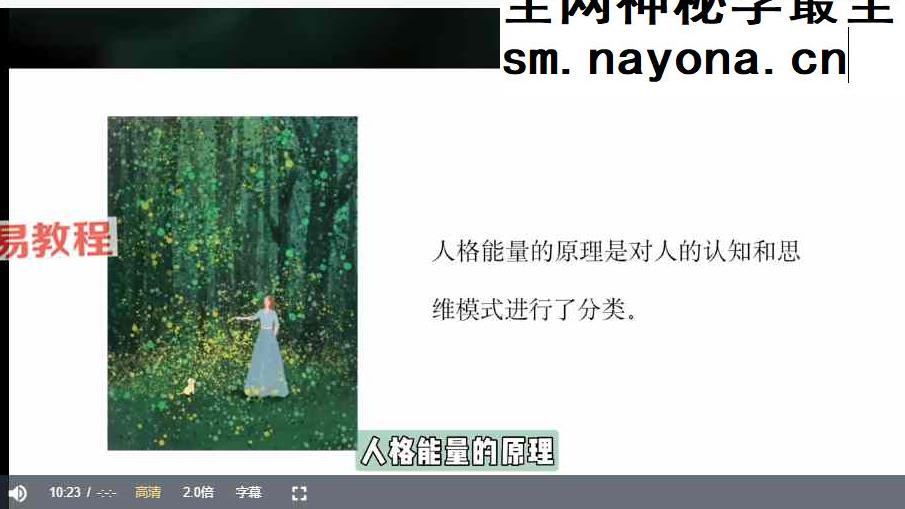
Begin with the recording asking what personality-energy cards are. Identify how the presenter defines the cards and what kinds of interpretation are proposed. The term energy may be part of the framework’s language; it should not automatically be translated into a measurable mechanism.
Keep the definition, an actual example and the source location together. If the cards themselves have names or images, record only those you can inspect. The listing does not establish a universal personality inventory or a clinically validated assessment. A reflective card system can organize questions and associations without measuring an underlying condition. This distinction helps a learner understand the resource’s approach while avoiding fixed labels imposed on themselves or another person.
Yin-and-Yang vocabulary
A directory item names Yin-and-Yang applications. Study how the recording uses the terms rather than importing a complete explanation from another tradition. Does it describe a contrast, a relationship or a way of combining interpretations? Preserve the actual rule where one is supplied.
For a comparison exercise, identify one card example and explain what the two terms contribute to its reading. Keep the terms as symbolic categories in the source. Do not assign them rigidly to gender or assume they reveal a person’s essential nature. If the passage uses a broad polarity, ask what qualifies the contrast and whether context changes it. A precise note can reveal the framework’s logic while leaving unsupported generalizations out of the English explanation.
Four elements and levels
The list separately names four-element applications and personality-energy levels. These are different classificatory themes until the material explains their relationship. Record each definition independently before trying to combine them. A similar word in two recordings does not establish identical use.
Choose a card example discussed in both themes if one is available. Explain what the element account emphasizes and what the level account adds. If a level is presented as a ranking, inspect the criteria and the limits. Do not turn it into a factual judgment of someone’s worth, maturity or health. A symbolic classification is an interpretive device, not an independently verified measurement. The comparison should make assumptions visible rather than create a fluent combined account that cannot show where its claims originated.
Basic and later spreads
The directory names six basic spreads and four later or master-labeled spreads. Preserve these counts as labels in the source without inventing the positions or purposes of each spread. A master label does not itself establish a qualification or superior predictive accuracy.
When a spread is shown, record position meanings separately from card meanings. The arrangement assigns roles to positions, while the cards contribute another interpretive layer. Identify how the presenter combines them. If a position’s meaning is unclear, do not fill it from a familiar tarot spread. A study diagram should reflect this system’s actual explanation. The educational task is to understand the structure and its assumptions, not to claim that an ordered layout supplies verified information about a person or an event.
Questions and script language
The source names questioning techniques and finding a visitor’s script or sticking point. Treat script as terminology to inspect in context. A narrative used in a reflective conversation does not establish a psychological diagnosis or a hidden cause of someone’s difficulties.
For an editorial exercise, compare a leading question with an open question that allows the person to disagree. A card interpretation should not be used to pressure someone into accepting an account of their life. Keep the distinction between an invitation to reflect and a claim to know another person’s private experience. If the source suggests a transformation technique, describe the technique as the source’s proposal and leave efficacy unverified. The useful learning question is how the conversation is structured and whether the participant retains choice.
Communication and case simulations
A communication-themed recording and two case simulations appear in the directory. A simulation can show how an interpretation is presented, but it does not verify that the method works with every person or circumstance. Identify the question, the response and the assumptions made in the example.
Notice whether the speaker offers possibilities or definitive statements. A reflective discussion is clearer when interpretations can be questioned. Do not infer professional competence or permission to provide therapy from the presence of a simulated consultation. If you study the speaking style, focus on concrete features: whether the participant’s words are preserved, whether uncertainty is acknowledged and whether a conclusion goes beyond the information supplied. These are reviewable observations rather than promises about healing or commercial success.
Live replays and other topics
Several numbered files are labeled as dated live replays. Keep those labels in the inventory rather than converting them into invented lesson titles. A replay may contain repetition, questions or a different format, but its content needs inspection. The date-like label identifies an item; it does not establish duration or a formal assessment.
The directory also includes trend and account-starting topics. Their presence should remain distinct from the interpretive card framework. Do not turn them into a promise that the resource produces a business outcome. A topic index can show which files concern cards, communication, replay discussion or another subject. This makes the collection more navigable and avoids presenting every item as a uniform card-practice lesson merely because it shares one folder.
Ethical reflection and a study record
The practitioner-self-development theme can be examined through limits, consent and the way claims are communicated. A reader should be free to reject an interpretation, and a symbolic account should not be offered as a factual assessment of health or private motives. These are useful editorial standards for analyzing the examples, not invented certification requirements.
A final record can contain one definition, one spread diagram, one question comparison and one communication observation, each tied to a source location. Keep personal resonance and source claims separate. The strongest outcome is a clearer understanding of how this card system organizes interpretation, with honest limits. It is not a guarantee of treatment, diagnosis, professional recognition or the results asserted in the surrounding promotional article.